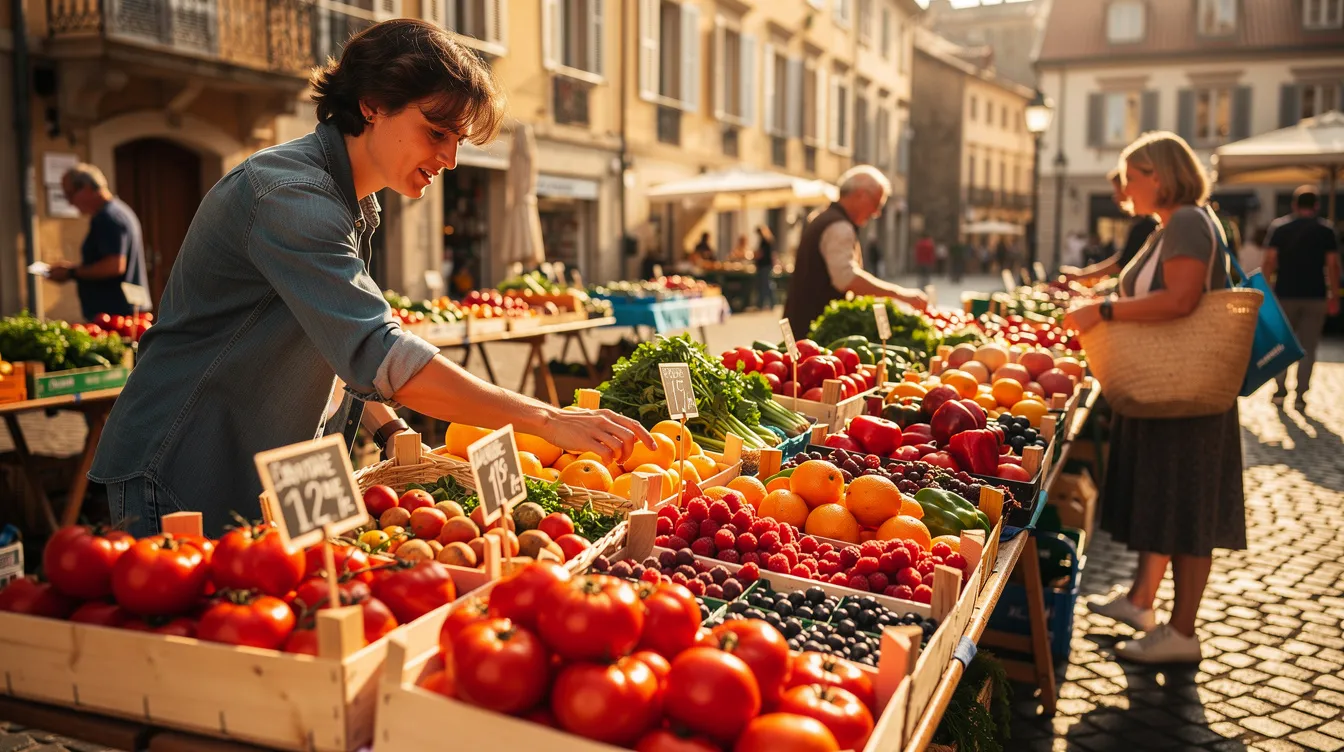
Travel is one of my greatest pleasures, but going away does not mean abandoning the habits that help me feel well. After years of reviewing restaurants, saving places on Google Maps and navigating unfamiliar cities as a vegan traveller, I have learned that a successful trip begins long before the first meal.
The hotel matters, but so does the neighbourhood around it. A beautiful room can become frustrating when the nearest grocery store is forty minutes away, every restaurant relies on dairy and the streets are difficult to walk. A simpler hotel in the right area can create a much better experience.
This guide brings together the system I now use everywhere: choosing the right base, mapping organic stores, reading local labels, asking better questions and building enough structure around food, movement and sleep to enjoy the destination without feeling disconnected from myself.
This is not a perfection guide. I do not eat fully organic at every meal, and I do not expect every destination to offer the same level of choice. The goal is to make informed decisions, create useful backup plans and leave enough flexibility to enjoy the place.
Choose the Life Around the Hotel, Not Only the Hotel
Many travellers choose accommodation according to landmarks, nightlife or the view. I begin with a different question: What will daily life feel like here?
Being within walking distance of an organic supermarket, one or two dependable restaurants and a park or pleasant walking route can transform an entire week. Slightly residential neighbourhoods often work better than tourist centres because they offer real grocery stores, calmer streets and places designed for local life.
In Berlin, Prenzlauer Berg or Kreuzberg can provide easier access to bio supermarkets and plant-based cafés than the most tourist-heavy parts of Mitte. In Barcelona, Gràcia often feels more supportive for daily routines than Las Ramblas. The specific neighbourhood changes, but the principle remains the same.
At least one dependable store within a realistic walk or simple public-transport journey.
Enough choice for a tired evening, late arrival or unexpected closure.
Parks, safe streets or a nearby gym make movement part of the destination.
A beautiful location is not useful when noise prevents the rest the trip requires.
Build the Map Before You Book
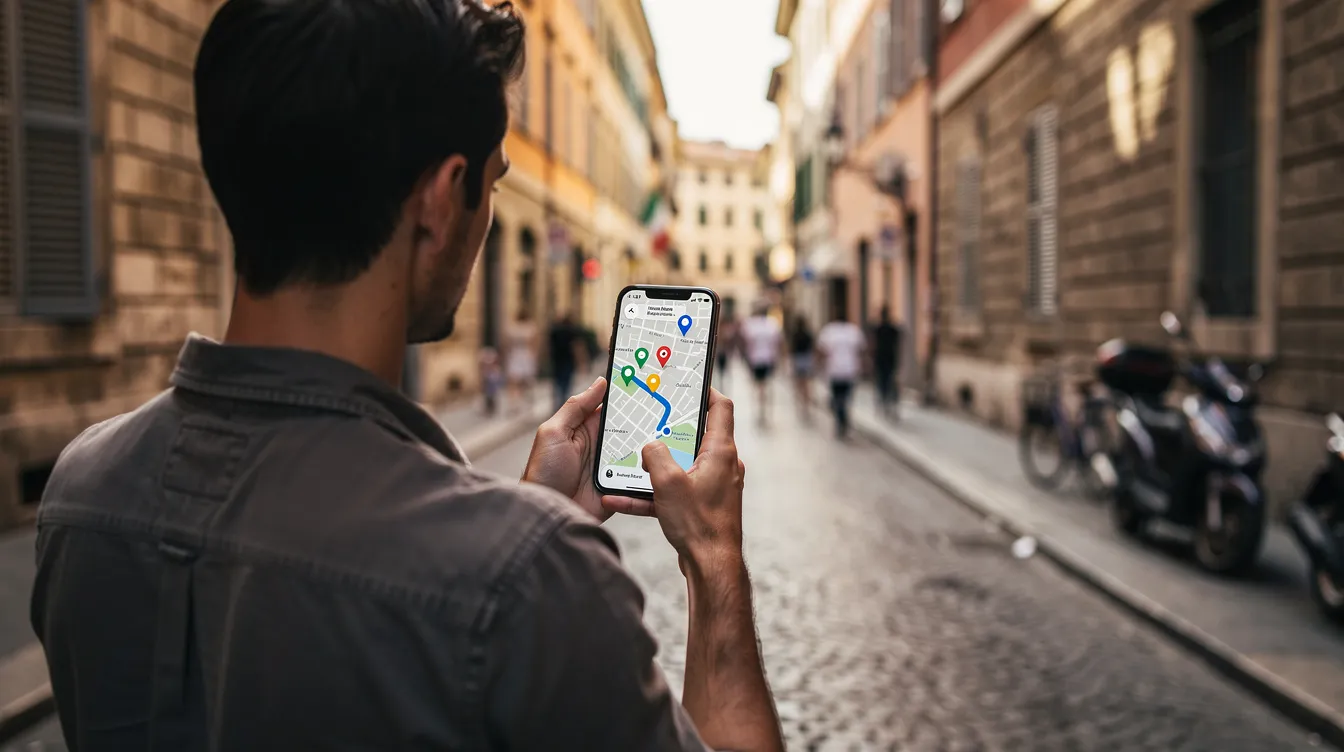
Google Maps is my main planning tool because it allows me to test how a neighbourhood functions before committing to it. I enter the exact address of a potential hotel or apartment and search the surrounding streets as though I were already living there.
Search the essentials
Look for organic supermarkets, health-food stores, vegan restaurants, farmers’ markets, parks, gyms, yoga studios and saunas.
Use the local language
Translate phrases such as “organic supermarket” or “vegan bakery.” Independent businesses are often invisible in English-language searches.
Check the real route
A short distance can hide steep hills, highways, dark underpasses or streets that feel uncomfortable after sunset.
Read recent reviews
Opening hours, menus and ownership change. Current photographs and reviews matter more than old descriptions.
Create a saved list
Keep groceries, restaurants and wellness locations together so the city becomes easier after arrival.
Organic supermarket, health-food store, vegan restaurant, vegan bakery, farmers’ market, organic market and plant-based café.
Hotel or Apartment? Match the Stay to the Trip
For a short city break, a well-located hotel is often the easiest choice. I spend most of the day outside and need a comfortable bed, a quiet room and enough nearby food that every meal does not require planning.
For longer stays, an apartment or serviced residence usually offers more control. A real kitchen makes organic groceries more useful, lowers the cost of eating out and creates space for simple breakfasts or quiet evenings.
Best when location, sleep quality and restaurant access matter more than cooking.
Best when you want ingredient control, lower meal costs and a more stable routine.
The word “kitchen” can describe anything from a complete cooking space to one microwave. I check for a stove, useful refrigerator, cookware, a kettle, cutting board and ventilation. For hotels, I look for quiet-room reviews, a mini-fridge, plant milk at breakfast and access to a gym, pool or sauna.
- Can breakfast include fruit, oats, vegetables, bread and plant milk?
- Can the kitchen prepare meals without meat, fish, dairy, eggs or honey?
- Is there a refrigerator or kettle in the room?
- Is outside food permitted?
- Can a quieter room away from lifts or nightlife be requested?
Let the Grocery Store Become Your Anchor
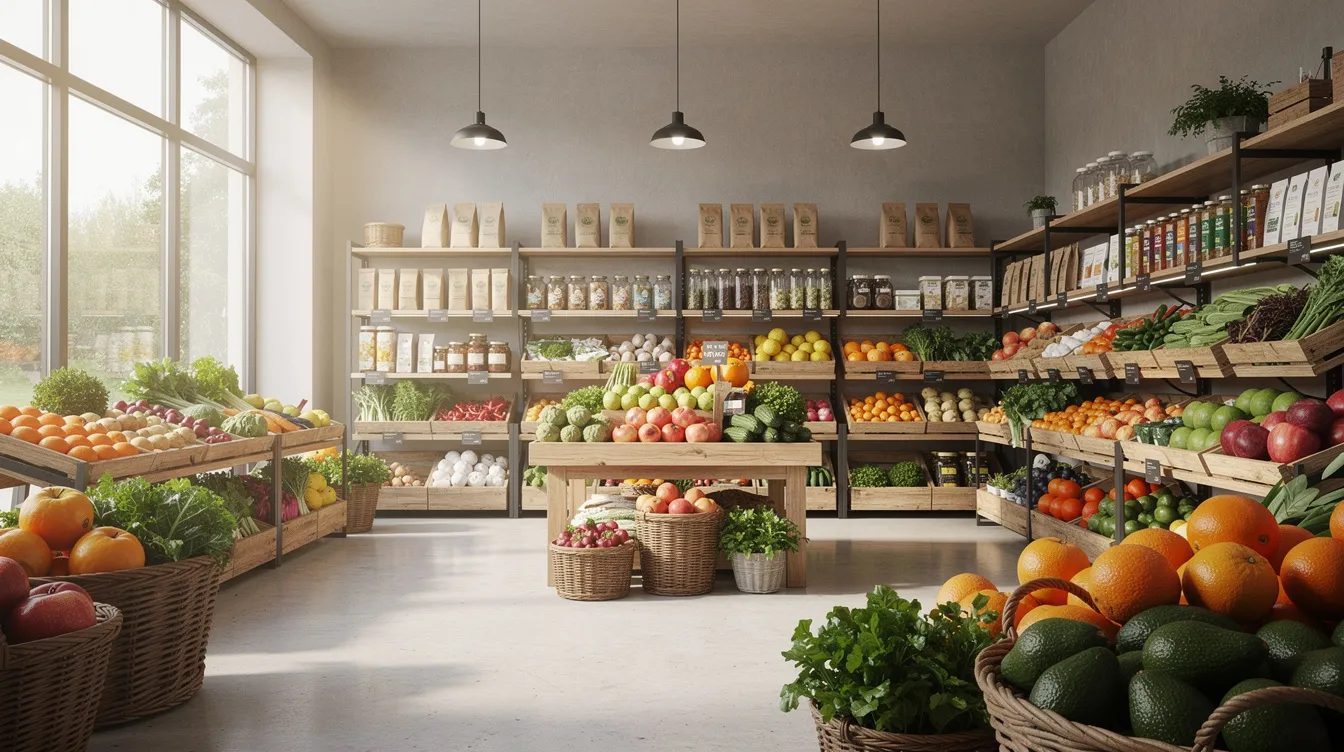
One of my first stops in any city is an organic supermarket or health-food store. It gives the trip a foundation. Even in a hotel room, fruit, plant milk, good bread, hummus, nuts and tea can prevent a tired evening from becoming a poor decision.
I do not attempt to recreate my entire home kitchen. I buy a small number of useful things that support breakfast, walking days and late arrivals.
- Seasonal fruit and vegetables
- Oat, soy or almond milk
- Tofu, tempeh, beans or hummus
- Oats, nuts and seeds
- Wholegrain or sourdough bread
- Herbal tea and simple travel snacks
Organic access varies, and I do not turn it into an all-or-nothing rule. When a dedicated store is unavailable, a normal supermarket can still provide fruit, vegetables, oats, rice, beans, nuts and bread.
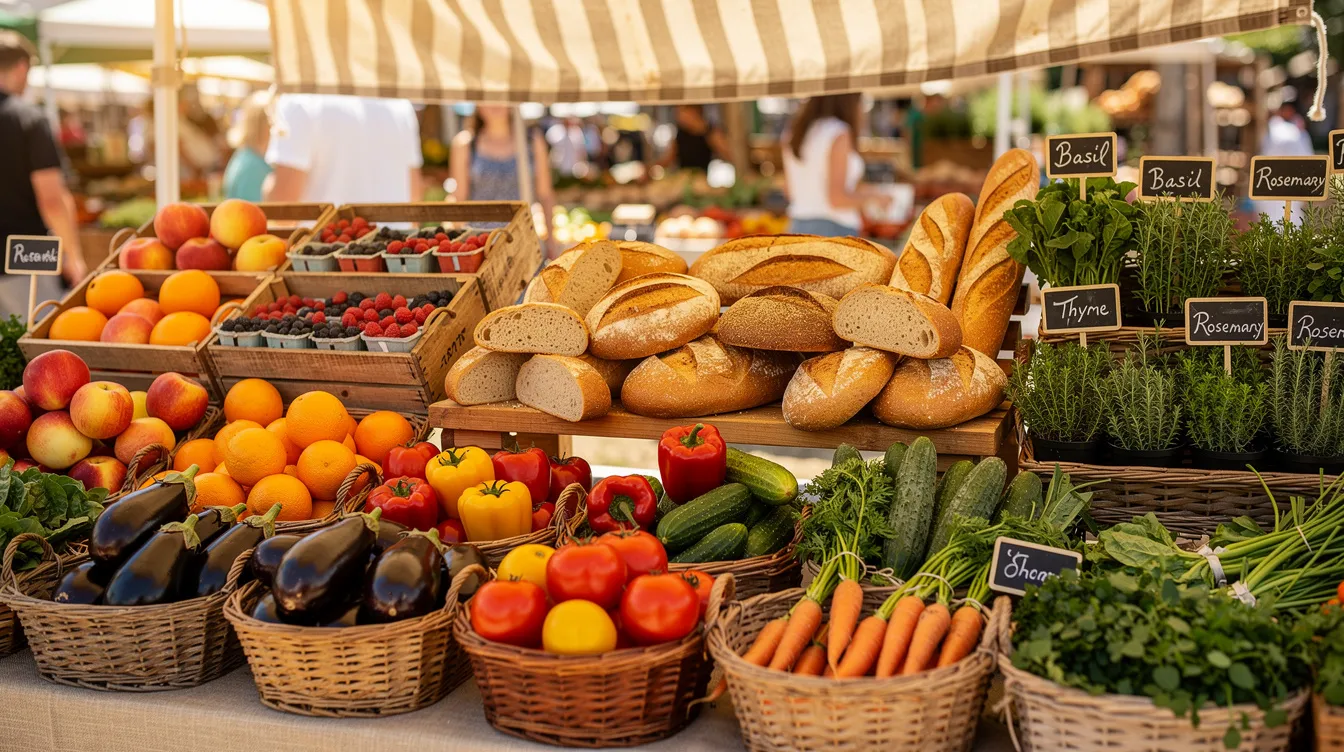
Markets add something supermarkets cannot. They reveal what the region is growing, how local people shop and which ingredients belong to the season.
Read Ingredients, Not Marketing
Words such as “natural,” “detox,” “green” and “plant-based” can create a healthy impression without explaining what the product contains. I turn the package around.
Vegan labelling answers whether animal-derived ingredients are present. It does not tell me how processed the food is, how much sugar it contains or which oils were used. I look at the full ingredient list and decide according to the balance of the trip.
A legendary vegan pastry can be part of the destination. So can a bowl of lentils, vegetables and rice. The point is not to make every meal identical. It is to understand the difference and choose deliberately.
I keep two or three simple preferences in mind—such as limiting ultra-processed food or choosing olive oil where possible—without allowing them to turn travel into anxiety.
Order with Confidence, Not Fear
Delivery apps are useful after long flights or working days, but I never trust the “healthy” filter alone. I open individual menus, read descriptions and cross-check promising places on Google Maps.
Mediterranean, Middle Eastern, Indian and many Asian cuisines often provide strong plant-based choices even when the restaurant is not fully vegan. The questions matter because dairy, fish sauce, meat stock, ghee and honey can appear where they are not expected.
- Is the dish completely free from meat, fish, dairy, eggs and honey?
- What oil is used?
- Does the sauce contain stock, butter or fish sauce?
- Can the dressing be served separately?
- Can extra vegetables replace cheese or another unsuitable component?
When language is difficult, I keep a translated note on my phone. Clear, polite communication works better than hoping the word “vegan” is understood in exactly the same way everywhere.
Carry a Small Safety Net
A compact snack kit protects long travel days, remote excursions and late arrivals. It should support the journey, not replace the food culture of the destination.
Reliable, light and useful between connections or on long walking days.
Choose options with short ingredient lists rather than relying on airport food.
A familiar evening ritual can make an unfamiliar room feel calmer.
Cutlery, a collapsible container and a small shopping bag make markets easier.
For flights, I request a vegan meal in advance and still bring shelf-stable food. Fresh produce may be restricted at international borders, so I save fruit shopping for after arrival.
Food Works Better When Sleep and Movement Are Protected
Food is only one part of feeling well. Sleep quality directly affects the choices I make the next day. When I am rested, I am patient enough to walk to the good market or wait for the restaurant I chose. When I am exhausted, convenience becomes the only standard.
My travel routine is deliberately simple: morning movement, the main exploration during the day and a lighter evening whenever possible. Walking often happens naturally, while stretching, a local studio or sauna can add structure when needed.
Eye masks, earplugs, limited late caffeine and a quiet room can improve food choices, energy and emotional resilience more than another complicated wellness plan.
My First-Day Routine in Every New City
The first ninety minutes after check-in shape the rest of the trip. I use them to remove uncertainty.
Check the room
Confirm that the bed, shower, fridge, Wi-Fi and temperature controls work.
Buy the basics
Water, fruit, plant milk and simple food create immediate stability.
Walk the neighbourhood
Locate transport, a pharmacy, groceries, cafés and comfortable streets.
Save two restaurants
Choose nearby places that can reliably prepare suitable meals.
Find the recovery option
Inspect the hotel gym, identify a park or contact a nearby studio.
Once these basics are settled, the city becomes easier. I can explore freely because I know how to return to food, rest and movement when I need them.
Before, During and After Arrival
Search groceries, restaurants, transport, parks and wellness options around the exact address.
Save maps offline, translate dietary notes, pack snacks and request the airline meal.
Check the room, buy the basics and identify the most reliable nearby places.
Use the plan to create freedom, not to punish yourself when conditions change.
Preparation Is What Allows Me to Travel Freely
I do not research organic stores, labels and neighbourhoods because I want every trip to feel controlled. I do it because the groundwork makes spontaneity possible.
When I know where to find food, how to return to the hotel safely and which routines will support my energy, I stop worrying. I become more available to the destination—the market I did not plan to visit, the café I notice while walking and the evening that unfolds differently from the itinerary.
There will always be imperfect meals, closed restaurants and days when the best available option is simpler than I wanted. None of that means the trip has failed.
The aim is awareness rather than perfection: choose the right area, read the ingredients, ask thoughtful questions, protect sleep and keep enough space to enjoy the journey.
That is how I travel as a vegan, an organic-lifestyle enthusiast and someone who believes being well rested is one of life’s greatest luxuries.