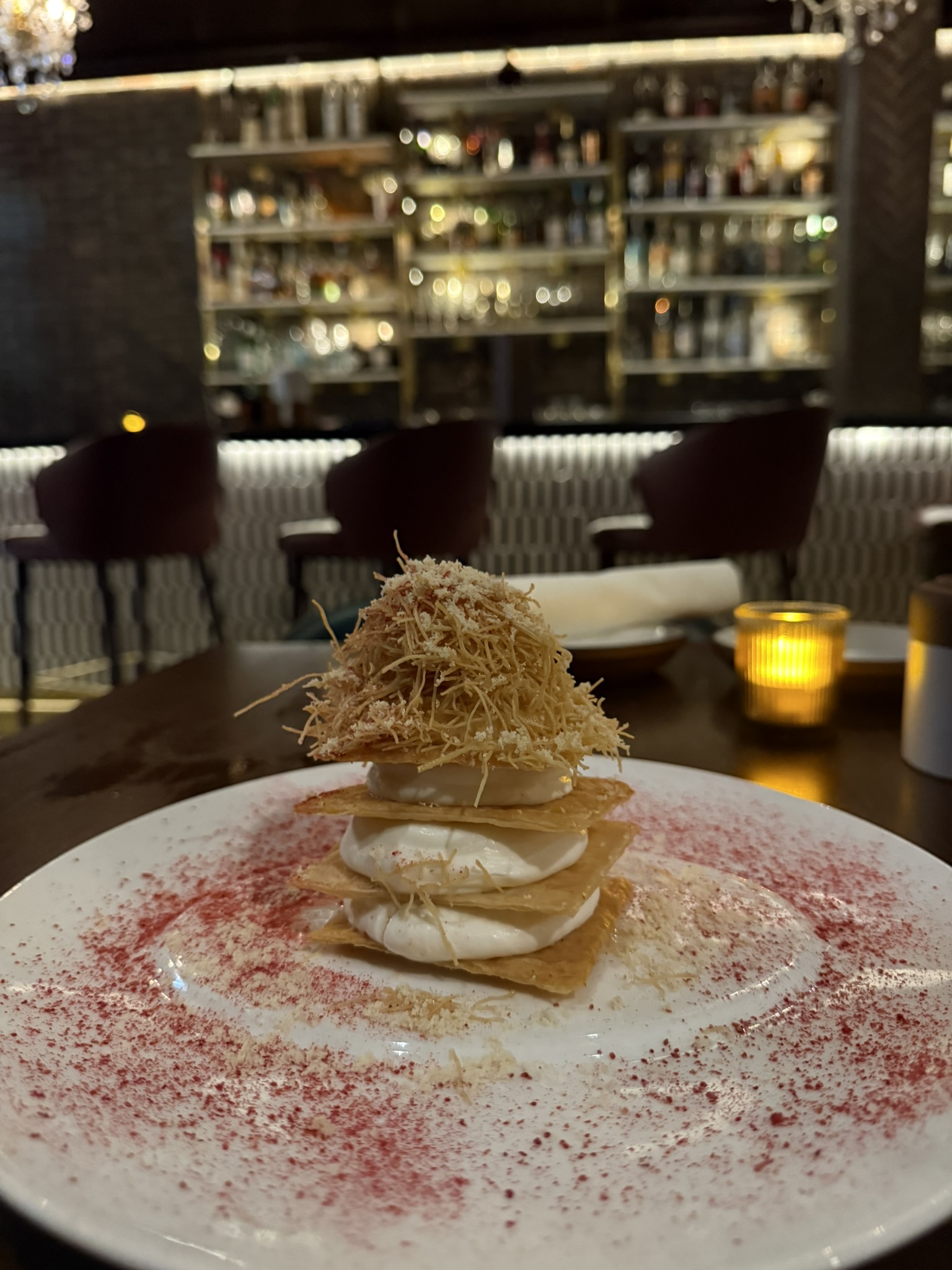
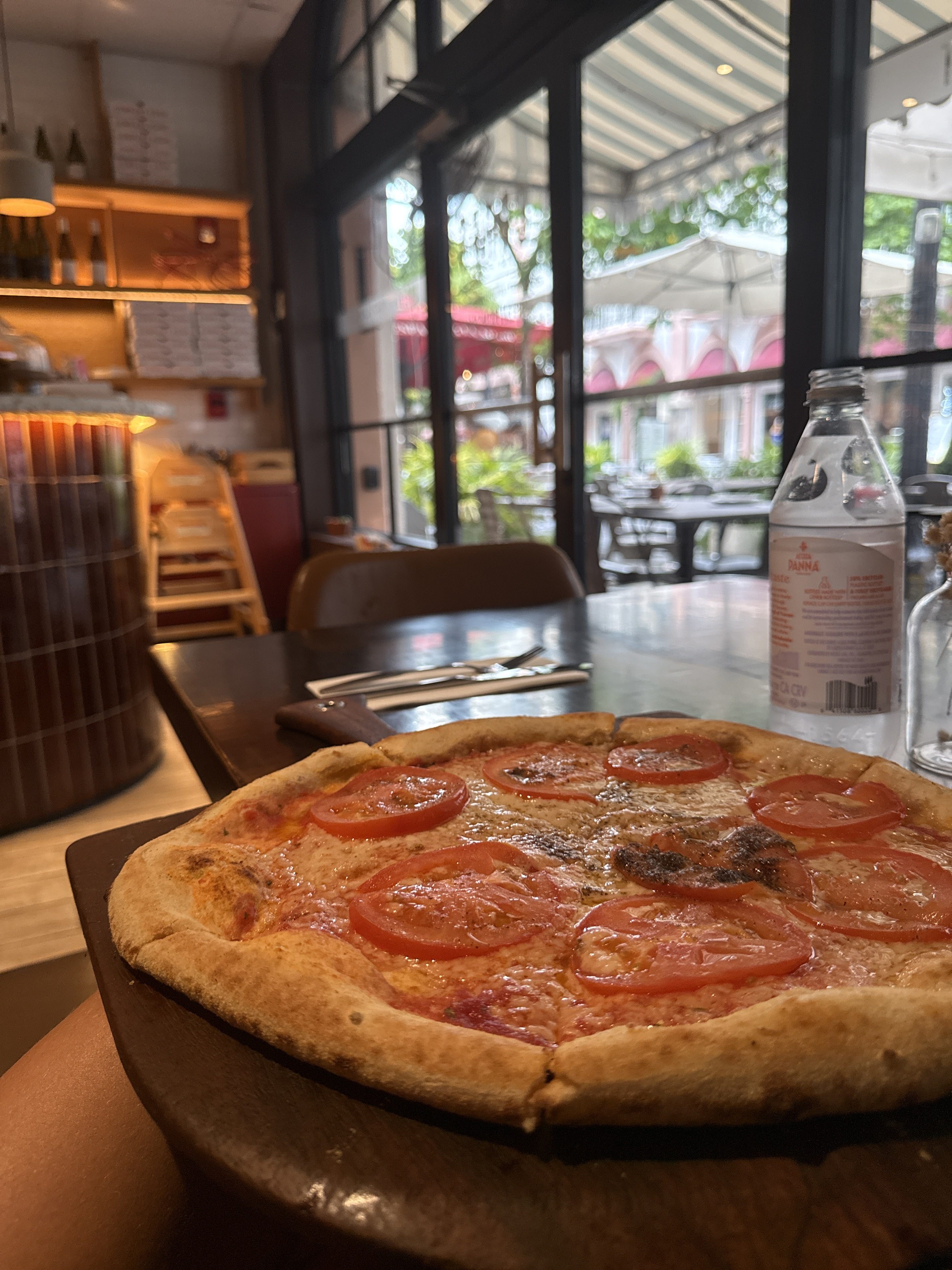
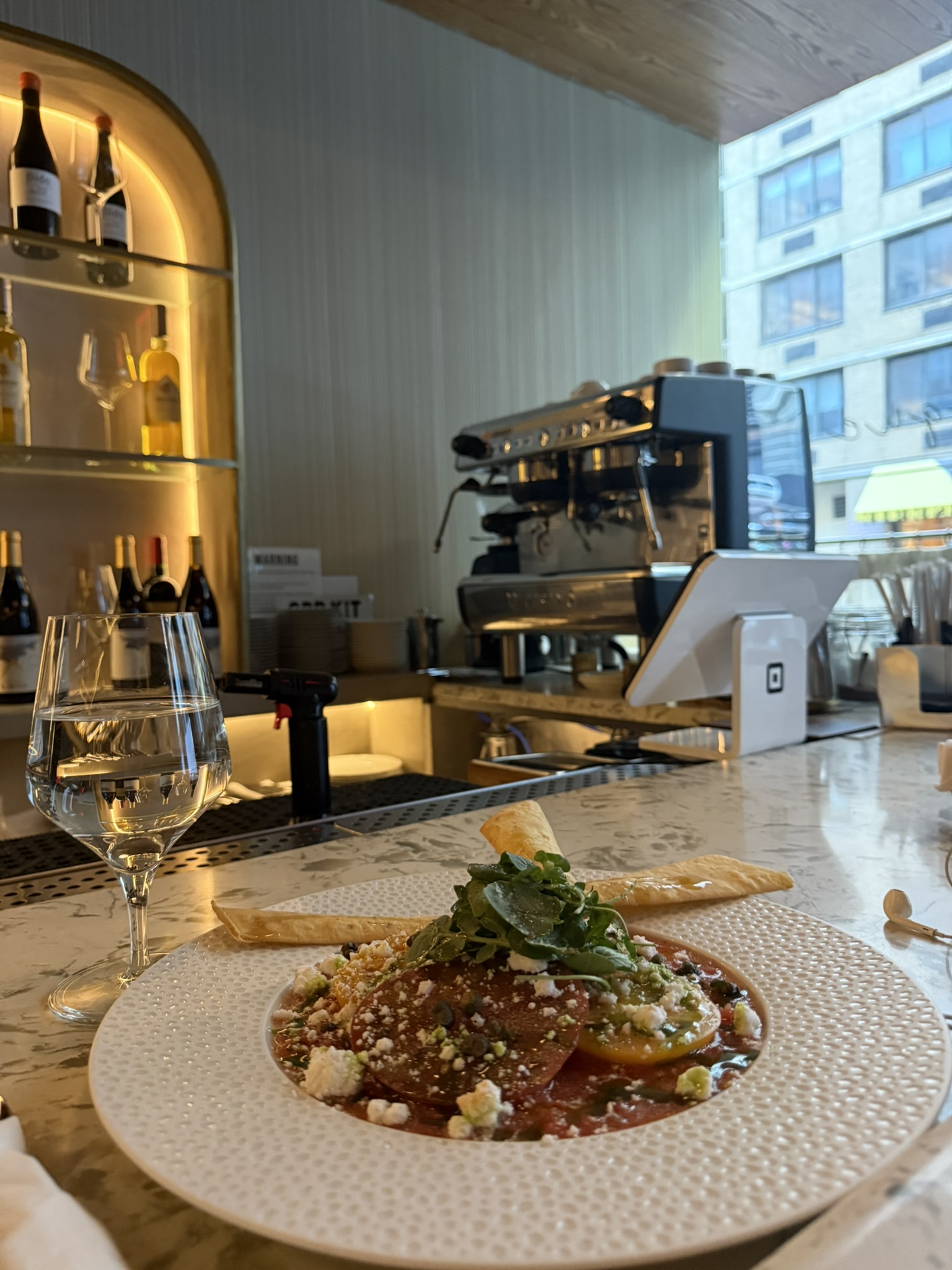
New York announces itself before the airport doors have fully opened. There is movement everywhere: luggage wheels racing across polished floors, yellow taxis folding into traffic and a skyline that seems to pull the entire city forward. On earlier visits, I responded by moving at the same speed. I would try to fit ten places into a morning, eat whatever happened to be closest and return to the hotel with hundreds of photographs but very little sense of how the day had actually felt.
This journey began with a different intention. I wanted to experience New York through the choices that support me most: plant-based food prepared with real thought, neighbourhoods explored slowly, natural markets that make a hotel room feel more like a temporary home and restorative pauses strong enough to balance the city’s intensity. The aim was not to complete New York. It was to live well inside it.
I travel as a vegan and as a Google Local Guide, but those labels matter less to me than the standard behind them. I look for places that make conscious living feel generous rather than restrictive—restaurants where plants are treated with imagination, hotels that understand quiet as a form of luxury and local businesses whose care can be felt long before it is explained.
A City Experienced Through a Plant-Based Lens
Veganism began for me as a way of deciding what would no longer appear on my plate. Over time, it became a more complete way of moving through the world. It shaped how I chose food, beauty products, clothing, hotels and even the pace of a journey. The centre of it remains compassion, especially for animals, but it is also deeply connected to how I want to feel: clear, energised and aligned with the places I support.
That perspective changes New York. Instead of seeing a city defined only by landmarks, I begin to notice systems of care. A bakery that labels every ingredient clearly. A restaurant that designs the entire menu around vegetables rather than treating them as substitutions. A hotel team that prepares breakfast without making plant-based requests feel difficult. A market where the person behind the counter can speak confidently about organic sourcing and hidden ingredients.
The city becomes a collection of small decisions. A nourishing breakfast before the streets become crowded. A long walk between restaurant reservations. A quiet table by the window rather than another rushed meal. These choices do not make New York less exciting. They make its energy easier to receive.
Choose one meaningful dining experience each day and leave room around it. New York is far more enjoyable when the meal becomes part of the neighbourhood rather than another stop on a tightly packed list.
The Arrival Ritual That Changes Everything
Every New York stay now begins in almost the same way. I leave my bags at the hotel, change into comfortable shoes and walk to a natural food market. Before I begin reviewing restaurants or exploring a new neighbourhood, I create a small foundation in the room.
There is something grounding about opening the hotel door and seeing fresh fruit, herbal tea, good water and a few simple ingredients waiting. It removes the pressure to begin every morning in public. I can wake slowly, sit beside the window and allow the city to exist outside for a while before stepping into it.
Westerly Natural Market, on Manhattan’s West Side, has become one of my most reliable stops. It feels compact and personal, yet the shelves are filled with specialised natural products, supplements, plant-based staples and prepared food that is genuinely useful after a long day. I usually leave with a combination of organic fruit, raw nuts, hummus, sprouted tofu, oat yoghurt, dark chocolate and herbal tea.
- Fresh fruit for an unhurried breakfast in the room
- Raw almonds or cashews for long walking days
- Cold-pressed juice when lunch plans move later than expected
- Herbal tea for a calmer evening routine
- A small selection of prepared vegan food for the moments when the schedule changes
This is not the most glamorous part of the trip, but it may be the most important. New York becomes exhausting when every meal depends on timing, queues and reservations. A well-stocked room creates freedom. It also protects the kind of mornings I have come to value most: quiet, private and deliberately slow.

Manhattan Restaurants That Redefined Vegan Dining
New York was one of the first cities to show me that plant-based dining could be both luxurious and emotionally generous. There is a particular ease that comes from sitting down in a beautiful room and knowing that every sauce, garnish and dessert has been considered without animal ingredients. No negotiations. No careful questioning. No sense that the kitchen is making an exception.
What matters most is not simply that a restaurant is vegan. It is whether the food carries a point of view. The strongest kitchens do not ask diners to admire what is missing. They create flavours, textures and rituals compelling enough to stand entirely on their own.
Anixi: A Mediterranean Table in Chelsea
Anixi feels warm before the first dish arrives. Golden lighting, marble, brass details and Mediterranean references soften the edges of the city outside. The menu is designed for sharing, which immediately changes the rhythm of the evening. Mezze, grilled vegetables, herbs, legumes and deeply spiced dishes gradually fill the table, turning dinner into something communal rather than formal.
The most memorable part was the sense of abundance. Plant-based shish kabobs held their texture beautifully, while the Medjool date cake brought a rich, lingering finish. The experience carried the colour and generosity of a coastal Mediterranean dinner without becoming theatrical about it.
Coletta: Italian Comfort Without Compromise
On a cold evening, Coletta offered exactly what I wanted from Italian food: warmth, familiarity and the feeling of being properly looked after. Garlic, tomatoes and baked dough filled the room, yet there was no dairy anywhere on the menu—and nothing felt absent.
The truffle pasta was indulgent without becoming heavy, the pizza arrived on a beautifully developed dough and the vegan tiramisu had enough depth to surprise everyone at the table, including friends who do not normally choose plant-based desserts. Coletta does not imitate the soul of Italian cooking. It understands it.
Sentir: Mexican Flavour with a Sense of Journey
Sentir brings colour and energy into the dining room while remaining polished. Handmade tiles, warm lighting and music create an immediate atmosphere, but the food carries the evening. Citrus-bright ceviche, smoky salsas and crisp tofu-skin chicharrones turned familiar ideas into something playful and distinct.
What stayed with me was the confidence of the menu. Nothing felt like a replacement. Each dish was rooted in flavour first, while the fully vegan approach simply allowed the experience to align naturally with my values.
Le Basque: A Quiet Counterargument to Traditional French Dining
French food can feel complicated for vegan diners because butter, cream and stock are often hidden in the foundation of a dish. Le Basque removes that uncertainty and replaces it with elegance. Pintxos-style bites, seasonal vegetables and deeply layered sauces arrive with the precision of a much more traditional fine-dining room.
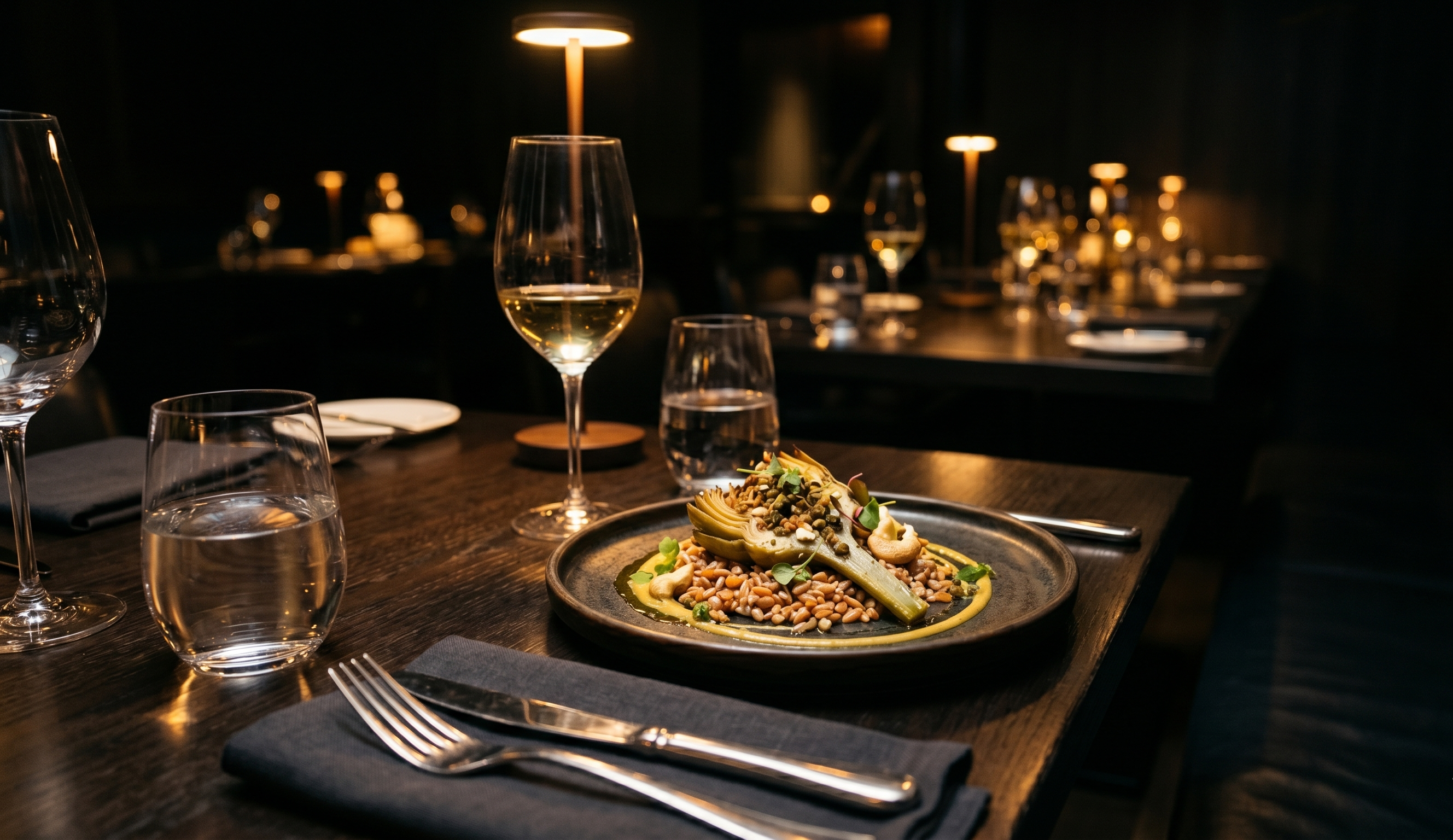
One vegetable composition was so carefully plated that I paused before lifting my fork. Yet the beauty was supported by substance: long-developed flavour, thoughtful spice and a service style that was attentive without interrupting the evening.
Beyond Sushi: Ease as a Form of Luxury
Beyond Sushi is lighter and more casual, which makes it especially useful on days when I want creativity without ceremony. Black rice, roasted vegetables, umami-rich broths and colourful sauces create dishes that move far beyond the familiar avocado roll.
The real luxury is freedom. I can open the menu and choose entirely by mood, without scanning for hidden ingredients or asking for modifications. In a city where dining can become a negotiation, that ease is deeply restorative.
More Manhattan Addresses Worth Returning To
PLANTA brings a distinctly cinematic energy to plant-based dining. The room is polished, the crowd feels celebratory and the dishes are designed to be shared. A heavily spiced cauliflower dish and a beautifully composed sushi-style roll reminded me that a vegan restaurant can be both accessible and genuinely impressive.
Avant Garden offers a more intimate mood. Small plates arrive with the precision of edible art, while the room encourages a quieter kind of attention. PS Kitchen adds warmth through its social-impact model, creating a dining experience that feels generous beyond the plate.
When I want something fast and full of character, Miznon is an easy choice. Israeli and Middle Eastern food naturally celebrates vegetables, herbs, grains and legumes, and the bold, comforting flavours fit particularly well after a long walking day.
I now choose restaurants by asking a simple question: What kind of energy do I need tonight? That approach prevents dining from becoming another performance of productivity. It allows the atmosphere of the restaurant to support the day I have actually had.


Beyond Manhattan: The Five Boroughs at a Slower Pace
Manhattan may hold many of the city’s most visible dining rooms, but New York becomes more complete beyond it. Each borough changes the pace, the architecture and the relationship between food and community. Exploring them separately—one borough, one unhurried day—allows the neighbourhood itself to become part of the meal.
Brooklyn: Cafés, Bakeries and Slow Mornings
Brooklyn is where my schedule softens. In Williamsburg or Greenpoint, a morning can begin with oat-milk coffee, vegan banana bread or a grain bowl eaten at a table where nobody seems in a hurry to leave. The cafés often speak openly about sourcing, seasonal produce and local roasters, giving the food a clear connection to the community around it.
These are also the places where I edit photographs, organise notes and write Google reviews. Sitting with herbal tea for an hour or two feels normal here. Brooklyn understands that time can be part of the experience rather than something to overcome.
Queens: A Plant-Based Passport
Queens offers the most direct reminder that plant-based food is not a modern Western invention. Indian thalis, Thai curries, Middle Eastern mezze and countless home-style dishes have centred vegetables, grains and legumes for generations.
In Jackson Heights, Astoria or Flushing, the pleasure comes from eating food that is authentically spiced and culturally grounded. A bowl of chana masala does not arrive as a “vegan option.” It arrives as itself—generous, familiar and complete.
The Bronx: Food, Green Space and a Different Story
The Bronx matters because it offers a New York experience far beyond the polished city often presented to visitors. Simple plates of rice, beans, plantains and vegetables carry the history of communities that have been feeding themselves with ingenuity for generations.
Pairing a meal with time in the Botanical Garden or Pelham Bay Park creates a day of welcome contrast. The food is grounding; the green space allows the city to leave the body for a while.
Staten Island: Ferry Light and Everyday Simplicity
The free ferry offers twenty-five minutes of forced stillness: open water, the Statue of Liberty and the Manhattan skyline gradually receding. Staten Island itself feels more residential and spacious, which is exactly why I value it after several intense days in the city.
I do not visit for spectacular dining. I look for simple cafés, vegetable pizza, plant-based milk and a quiet place near the water. One of my clearest memories is eating an apple and almonds on a waterfront bench while boats moved across the harbour. It was not dramatic, but it was exactly what I needed.
The Routine That Keeps New York Nourishing
Repeated visits have taught me that routine is not the opposite of discovery. It is what makes discovery sustainable. Without a few stable rituals, the city can consume every reserve of energy by the middle of the trip.
Hotels matter because they either support these rituals or make them more difficult. I prioritise quiet rooms, good air quality, access to a gym or sauna and staff who understand plant-based requests without confusion. Luxury is not only marble or a view. It is filtered water, a room that feels calm and enough space to recover after ten miles of walking.
Sauna sessions have become especially valuable. Thirty minutes of dry heat after a long day helps release the physical tension of crowded streets, late dinners and constant stimulation. The silence is as important as the heat. I leave feeling as though the city has been turned down to a manageable volume.
Protect one hour each afternoon with no restaurant, landmark or review scheduled. New York will always offer more. The pause is what allows the rest of the day to remain meaningful.
When the City Asks for Open Sky
After four or five days in Manhattan, my body usually begins asking for distance. A train north opens into the Hudson Valley, small towns and landscapes that feel improbably far from Times Square. Food becomes simpler: grain salads, fresh bread, seasonal fruit and picnic lunches assembled from farmers’ markets.
Dedicated vegan restaurants may be less common outside the city, but farm-to-table kitchens are often willing to prepare thoughtful plant-based meals when contacted in advance. The planning is part of the experience. I save restaurants before leaving, carry food for longer walks and look for retreats that clearly understand vegan dietary needs.
The contrast is restorative. Manhattan sharpens the senses; upstate New York gives them space. Moving between the two makes the trip feel complete rather than exhausting.
What New York Taught Me About Living Well
One evening, after dinner, I walked beside the Hudson while the city continued behind me. Taxis moved through the avenues, music drifted from somewhere unseen and the lights of New Jersey stretched across the water in long, unsteady lines. The river was quiet enough to make the skyline feel almost distant.
I thought about the ways New York has been broken, rebuilt and asked to begin again. That resilience felt familiar. My own relationship with wellness grew from the need to rebuild: habits, energy and a sense of trust in the choices I made every day. Veganism became part of that process, not as a performance of perfection, but as a way to live more honestly.
New York taught me that conscious travel does not always look serene. Sometimes it is a carefully planned dinner in a beautiful room. Sometimes it is an apple eaten beside the harbour because the body needs simplicity. Both can be acts of care.
The city remains intense, contradictory and impossible to complete. That is part of its beauty. I return because it continues to reveal new versions of plant-based dining, neighbourhood life and urban wellness—but also because it reminds me that calm is not always a place we arrive at. Sometimes it is something we practise, one choice at a time, in the middle of everything.