I entered Switzerland slowly, driving north from Italy with Lake Maggiore appearing and disappearing beside the road. The border arrived without drama. The signs changed, the road became quieter and the air seemed to sharpen. After several days in Italy, Switzerland felt almost architectural—cleaner lines, calmer movement and a sense that every detail had already been considered.
This journey was never meant to be a checklist of famous views. I wanted to understand how the country supports a conscious way of living: where plants are treated with imagination, where wellness is part of ordinary life and where luxury is expressed through care rather than excess. Travelling as a vegan—and as a transgender woman—means I notice the small signals that tell me whether a place will allow me to relax. A thoughtful answer from a waiter. A clearly written spa policy. A hotel that records dietary preferences without turning them into a complication.
The route moved from the Italian side of Lake Maggiore to Zurich, then west by train to Geneva. Each place offered a different form of nourishment. The lake gave me space to arrive. Zurich gave plant-based living structure and ambition. Geneva softened everything again through water, markets and a quieter rhythm.
Lake Maggiore: The Pause Between Countries
I chose to travel from Milan by road because the in-between matters to me. Flying can collapse two places into a single hurried transition, while driving allows the body to understand that one landscape is ending and another is beginning. By the time I reached the Swiss side of Lake Maggiore, the lake had become a kind of emotional border as well as a geographical one.
Giardino Lago, near Minusio, was my first stop. The terrace sits directly beside the water, and late-afternoon light softened the entire setting. The restaurant is not fully vegan, but the kitchen responded with real attention rather than simply removing ingredients. A seasonal risotto was prepared without butter or parmesan and finished with olive oil and herbs. Grilled vegetables arrived with little more than good seasoning, and citrus sorbet closed the meal cleanly.
What mattered most was the absence of friction. I was dining alone, yet the service remained warm and composed. My requests were heard without surprise, and nobody made me feel observed. The lake, the respectful service and the quietness of the terrace created the reset I needed before continuing north.
True hospitality often reveals itself through what does not happen: no hesitation, no unnecessary explanation and no feeling that your needs are an inconvenience.

Zurich: Plant-Based Living with Quiet Confidence
Zurich felt different immediately. The air was cooler, the architecture more exact and the pace disciplined without being frantic. Beneath that restraint, I found a plant-based culture far more developed than the city’s traditional image suggests.
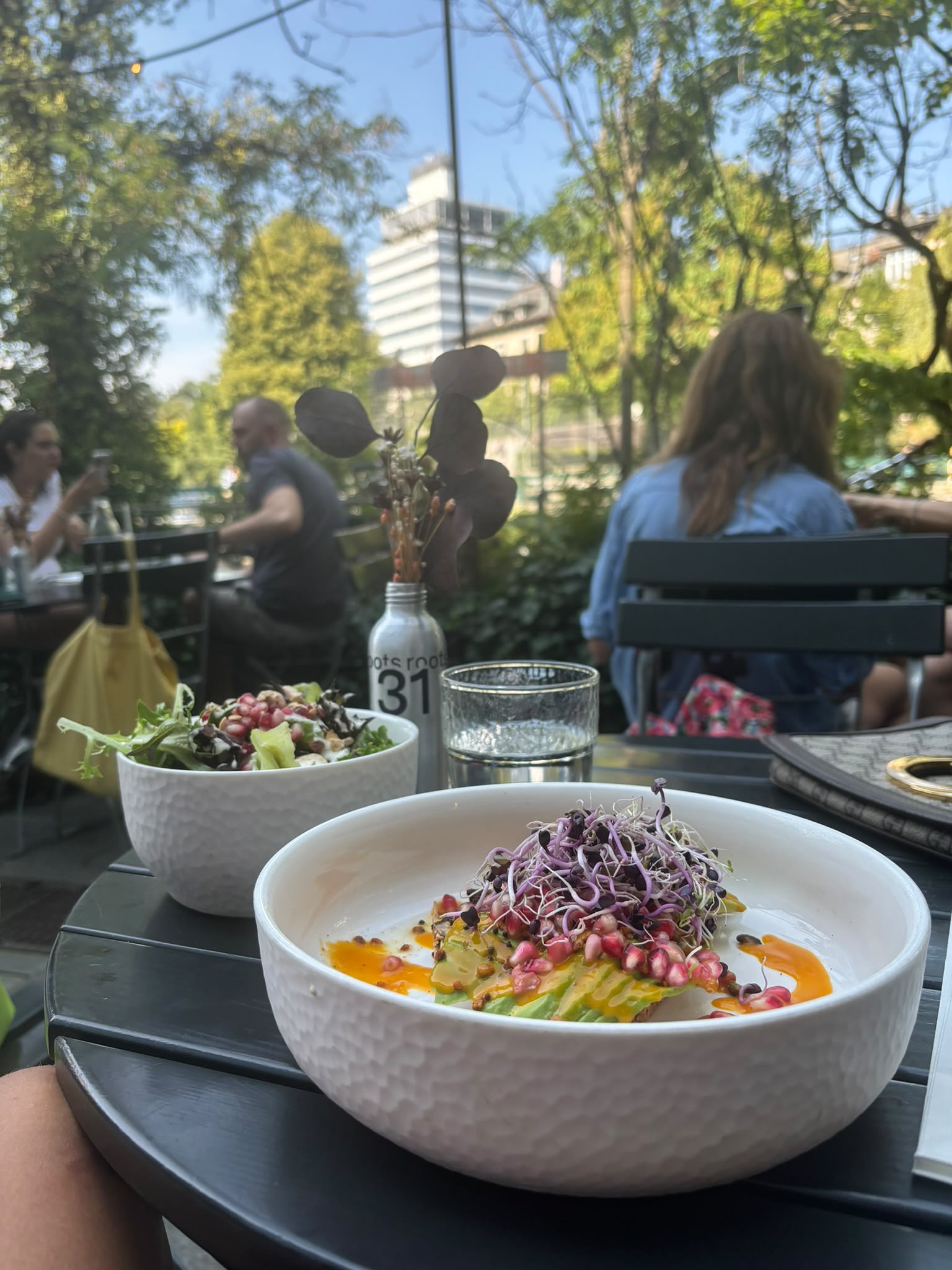
The first landmark was Haus Hiltl, the historic vegetarian institution that has been serving meat-free food since the nineteenth century. The dining room was bright and busy, filled with office workers, visitors and regulars who moved through the buffet with practiced ease. The range was enormous, but what impressed me was the clarity. Vegan dishes were easy to identify, and vegetables, grains, legumes and spices were treated as the centre of the meal rather than a special category.
Hiltl is not the city’s most experimental restaurant, but it provides something more important: a sense of continuity. Sitting there, I felt that plant-based eating in Zurich had roots. It was not a temporary trend attached to a younger generation. It had history, confidence and a place in the city’s identity.
Vegelateria the Sacred
For comfort, I returned to the looser atmosphere of Vegelateria. Vegan gelato, raw cakes and handmade desserts filled a modest display case, and the slightly imperfect presentation made the experience feel personal. Hazelnut and pistachio flavours were especially memorable—rich, direct and made without the polished distance of a luxury dining room.
DAR Restaurant & Café
DAR brought a more social energy. Mediterranean sharing plates arrived in layers of colour and texture: roasted vegetables, silky hummus, pickles, herbs and warm spice. The service understood the menu deeply and helped shape the meal without making it feel over-explained. It was the kind of restaurant where the table gradually fills and conversation naturally slows.
Restaurant Marktküche
Marktküche was the most ambitious meal of the trip. Its seasonal tasting menu avoids imitation meat and focuses instead on what vegetables, herbs, mushrooms, fruit and grains can become through technique. Beetroot appeared in contrasting forms, alpine herbs brought delicacy to a broth and roasted pear closed the meal with restraint rather than excess.
The restaurant’s strength is confidence. Nothing asks to be compared with conventional fine dining. The menu stands on its own, built around Swiss produce and a clear understanding of texture, season and place.
The Everyday Rituals That Make Zurich Livable
Restaurants shape a journey, but the places between them reveal whether a city could support everyday life. Zurich became convincing through its organic shops, small kitchens and wellness spaces—the addresses that made conscious living feel integrated rather than staged.
Berg und Tal in Niederdorf felt like an apothecary for slower living, with herbal teas, remedies, oils and carefully selected wellness products. Bioladen Vitus became useful for organic fruit, oat milk and practical travel staples. Mohini was more intimate, serving one homemade vegan meal each day. Eating there felt less like visiting a restaurant and more like being welcomed into a private kitchen.
When time was limited, Roots provided bowls and cold-pressed drinks in a modern, polished setting. These places were not dramatic, but they created rhythm. They allowed me to eat well without turning every meal into an event.
The deeper recovery ritual happened in the sauna. At Hallenbad City, rules around silence, towels and hygiene created a clear structure. Swiss sauna culture can feel unfamiliar because nudity is expected in many facilities, and entering that space as a transgender woman required a moment of courage. Yet the formality of the rules became reassuring. Respect was not optional or dependent on individual kindness; it was built into the environment.
Sauna am Fluss felt younger and more social, with the river adding openness to the experience. Steam, water and low conversation created a different kind of city evening—less about nightlife in the conventional sense and more about allowing the nervous system to settle.
Check the facility’s current rules, gender-specific sessions and changing-room policies in advance. Clear information can turn uncertainty into a much calmer experience.

West to Geneva: A Softer Form of Luxury
The train from Zurich to Geneva gradually changed the tone of the journey. The landscape opened, the language shifted and the atmosphere became more fluid. Zurich had felt structured and precise; Geneva felt diplomatic, lakeside and slightly softer around the edges.
Hotel President Wilson became my base. The location beside Lake Geneva created a sense of space, but the most luxurious detail was not the view. It was the way the hotel reduced effort. Plant-based options were available at breakfast, and room service prepared a simple grain bowl with vegetables and tahini without confusion. The concierge asked whether there were dietary preferences worth recording for the stay. That single question transformed service into care.
Real luxury, for me, is the absence of negotiation. It is entering a hotel room and knowing that rest will not require another explanation.
Melrose Kitchen
A morning at Melrose Kitchen in Eaux-Vives began with matcha, oat milk and a deeply coloured smoothie bowl. The interior was calm and laptop-friendly, and I stayed long enough to watch the neighbourhood begin its day through the front windows. It was modern wellness without spectacle.
Quarante Coffee
Quarante offered a more Mediterranean lunch: hummus, roasted vegetables, pomegranate, salad and fresh bread. The terrace was ideal for observing Geneva’s daily life, and the staff responded to vegan questions with ease. “Of course, everything can be adapted,” the server said. The lack of hesitation mattered as much as the food.
Geneva has fewer fully vegan destinations than Zurich, yet plant-based choices appear naturally across modern cafés. The difference is subtle. In Zurich, veganism often feels like a defined scene. In Geneva, it is absorbed into the wider culture of health, restraint and contemporary living.
Markets, Farms and the Pleasure of Less Waste
Nature en Vrac felt like a quiet manifesto. Grains, nuts, dried fruit and spices were sold from bulk containers, while oils and household products could be refilled. I bought trail mix and dried mango for the next journey and left with almost no packaging.
ALNA Diététique et Bio offered a more traditional wellness-store experience, useful for supplements and specialist products. For travellers maintaining a plant-based routine, stores like this remove the anxiety of forgetting something essential.
The most grounding detour was Budé Farm. Seasonal vegetables were harvested and sold within the same landscape, and local families moved between the produce with an ease that made the farm feel social rather than commercial. Holding soil-covered carrots beside the field where they had grown created a connection that supermarkets rarely provide.
These spaces made Geneva’s environmental values tangible. Zero-waste shopping, local agriculture and organic food were not presented as exceptional acts of virtue. They were simply available ways of living.
Travelling with More Than One Set of Needs
Being vegan and transgender means that I often apply two quiet filters before entering a place: will I be nourished, and will I be treated with respect? These questions do not dominate every moment, but they influence planning in ways many travellers never need to consider.
Switzerland’s orderliness became unexpectedly comforting. Clear rules, professional staff and a strong expectation of public respect gave me a sense of predictability. At restaurants, respectful language allowed my shoulders to drop. In wellness spaces, written policies mattered. At the hotel, the simple act of recording dietary preferences made the stay feel more secure.
None of this means Switzerland is perfect, and experiences will differ. What I found was a country where care often appeared through systems rather than performance. The result was a form of freedom: fewer negotiations, less emotional preparation and more energy available for the journey itself.
Research is not the opposite of spontaneity. It creates the safety and confidence that allow spontaneity to become possible.
A Route Designed for Slower Travel
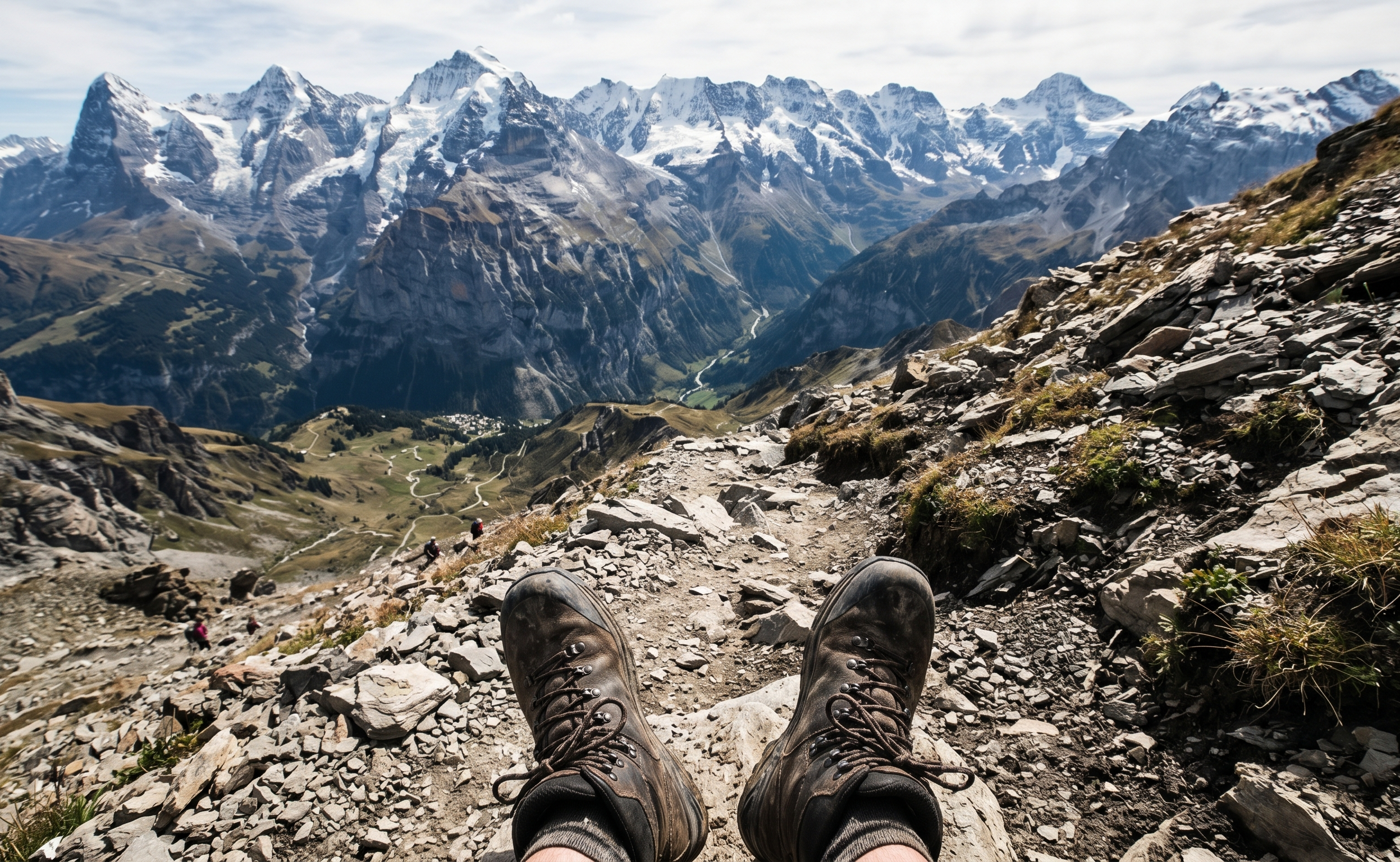
This journey works best when each place has enough time to reveal itself. The route can be shortened, but rushing from one restaurant to the next would miss the point. Switzerland rewards travellers who notice the spaces between reservations: train windows, lakeside walks, public baths and the small grocery stores that make a city feel livable.
Warm-weather months make terrace dining and lakeside walking especially appealing, while colder seasons place more emphasis on saunas, indoor restaurants and the pleasure of retreat. Whatever the month, reservations are wise for tasting menus, and current opening times should always be checked directly.
The Quiet Luxury of Feeling Whole
The journey moved from Lake Maggiore’s golden stillness to Zurich’s disciplined creativity and Geneva’s softer lakeside calm. Each place offered a different form of nourishment, but the thread remained the same: the ability to eat, rest and move through the world without separating my values from the experience.
Luxury is often described through star ratings, marble and exclusivity. I have come to understand it differently. It is a waiter who listens carefully. A tasting menu built around the season rather than imitation. A sauna whose rules protect everyone equally. A hotel that removes friction before it becomes visible.
On my final evening in Geneva, I sat beside the lake with herbal tea and watched the light disappear across the water. For a few minutes, food, travel, identity and environmental care stopped feeling like separate subjects. They became one simple experience: being fully present in a place that had made enough room for me.
I will return to Switzerland not because it is perfect, but because its best moments understand something essential. Wellbeing does not always need to be announced. Sometimes it is simply the feeling that nothing important has been compromised.