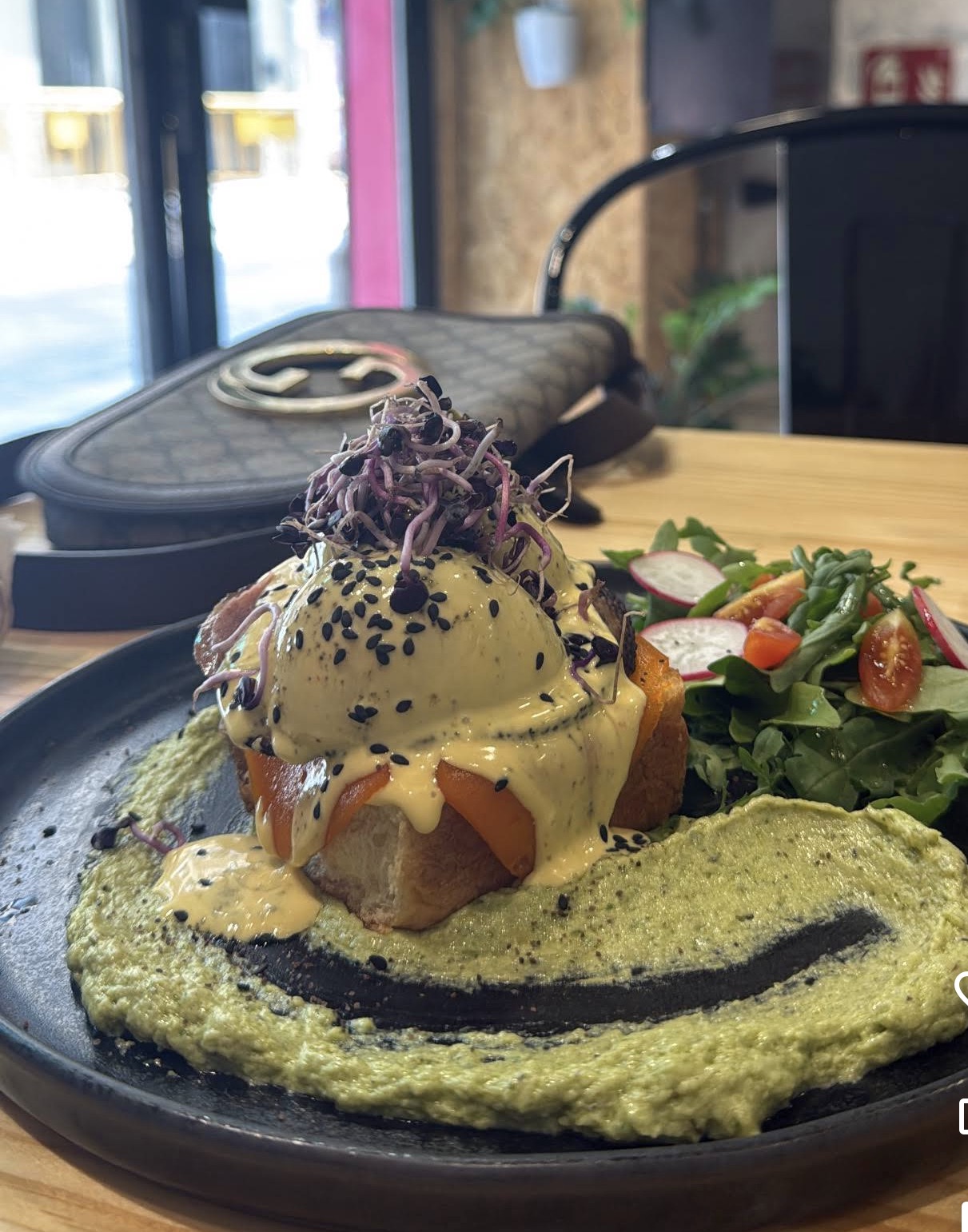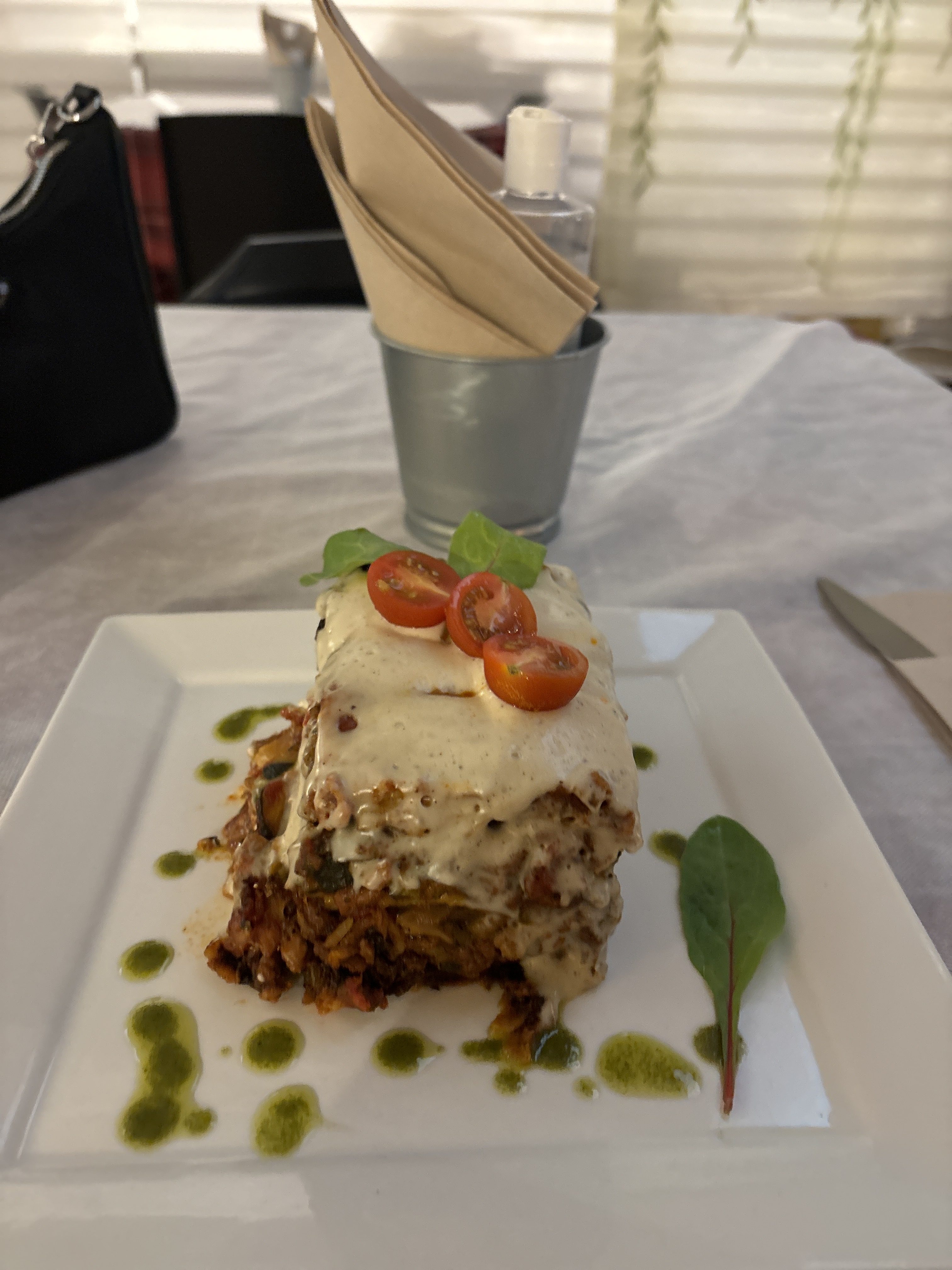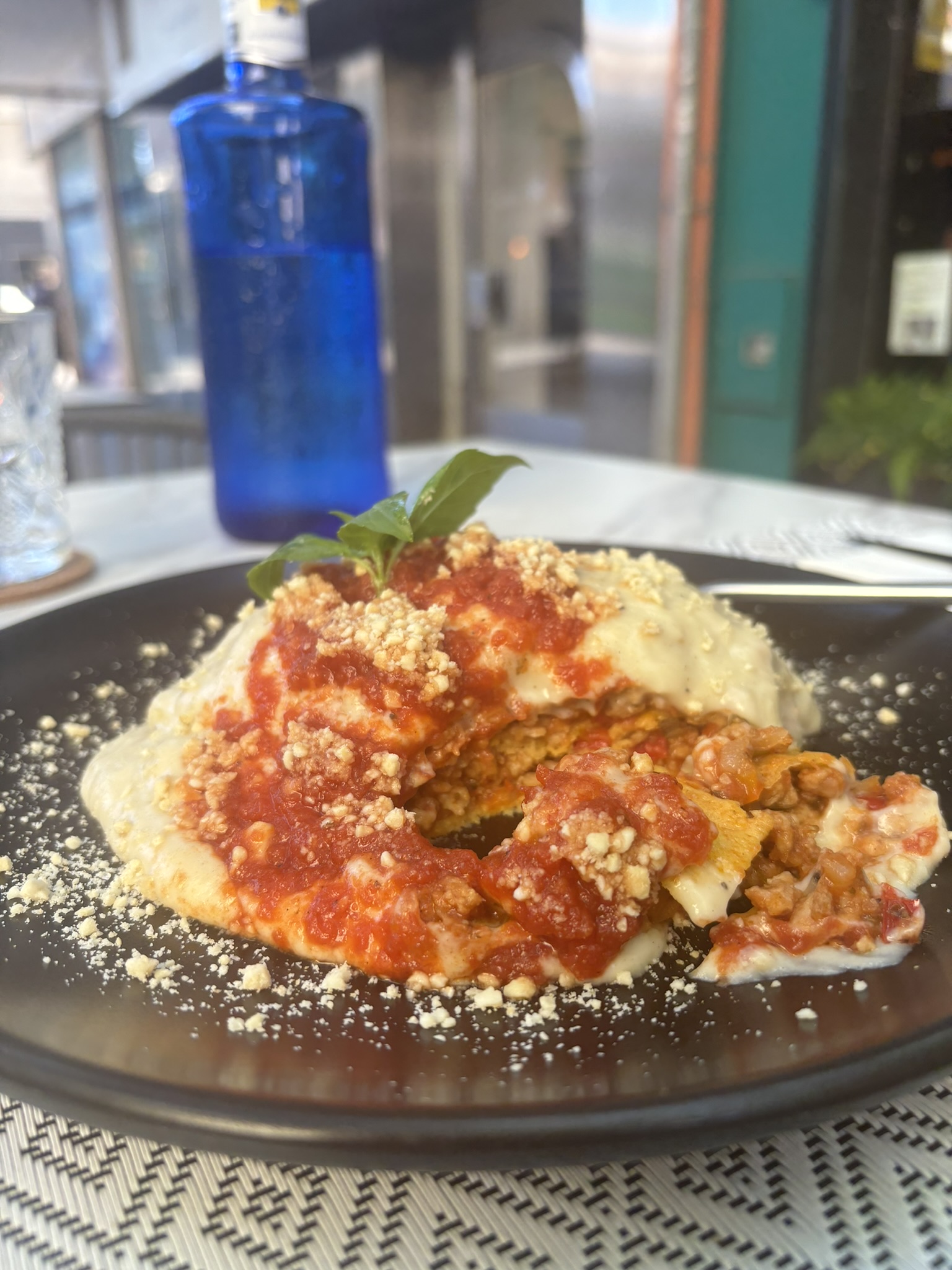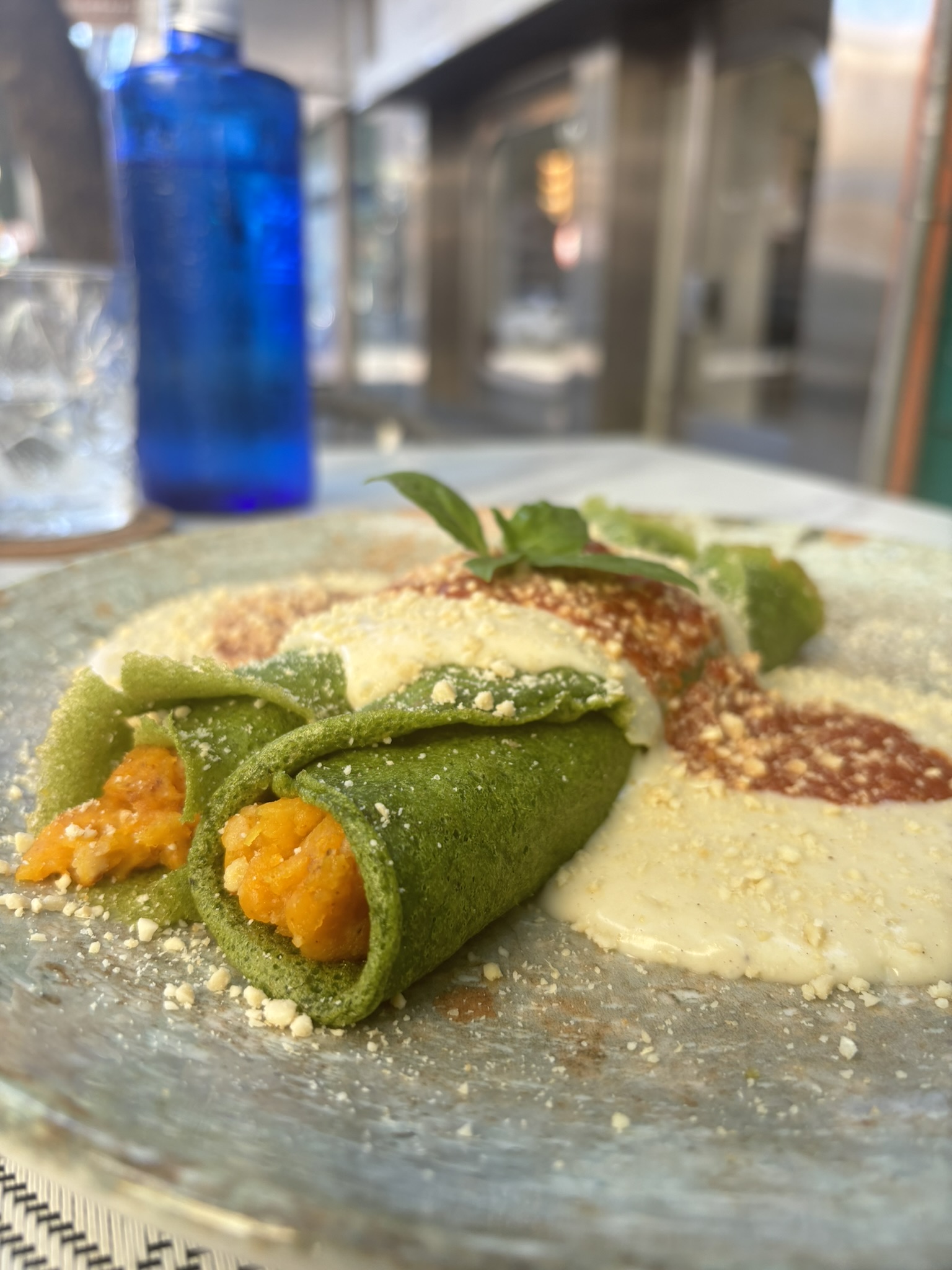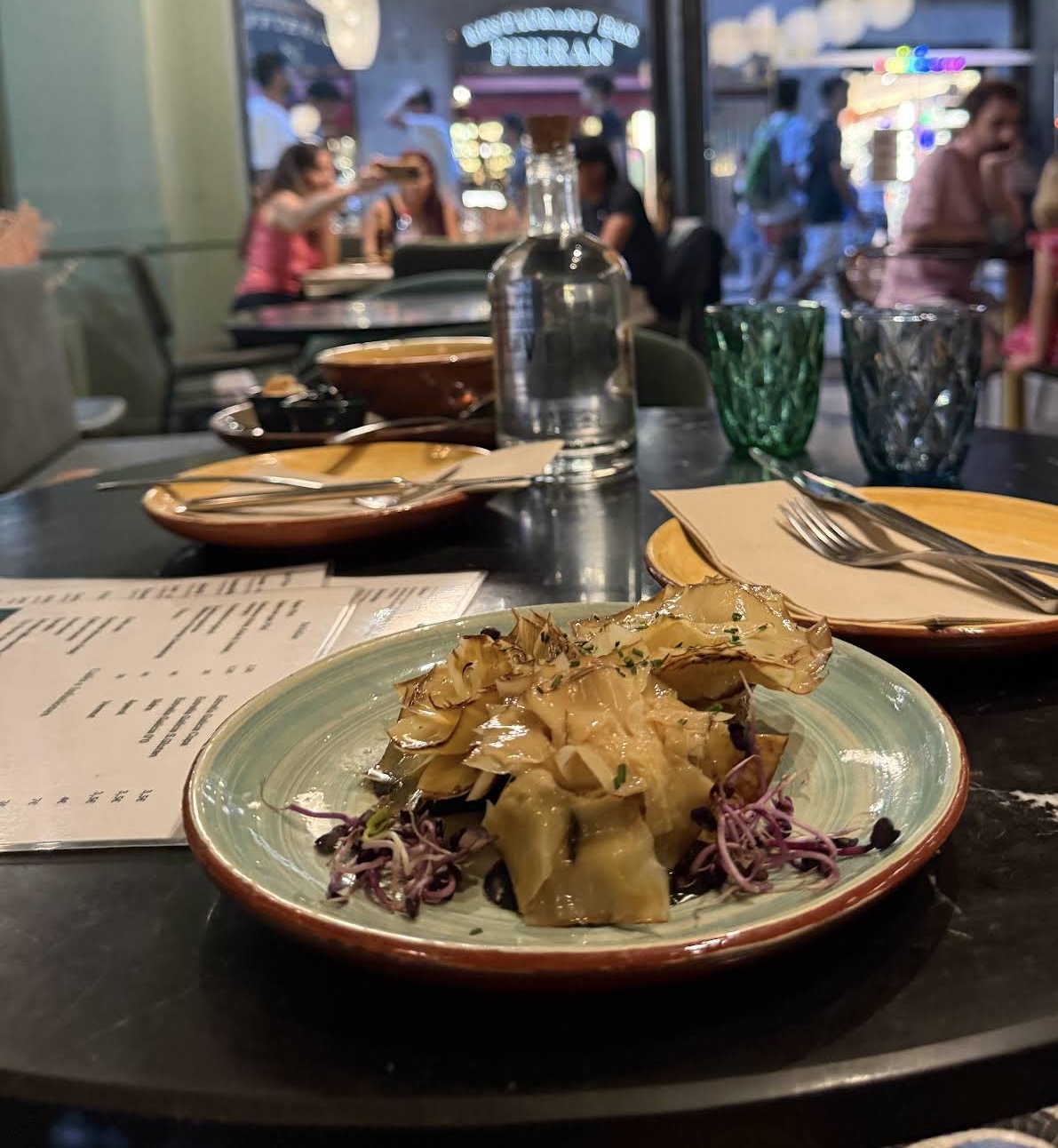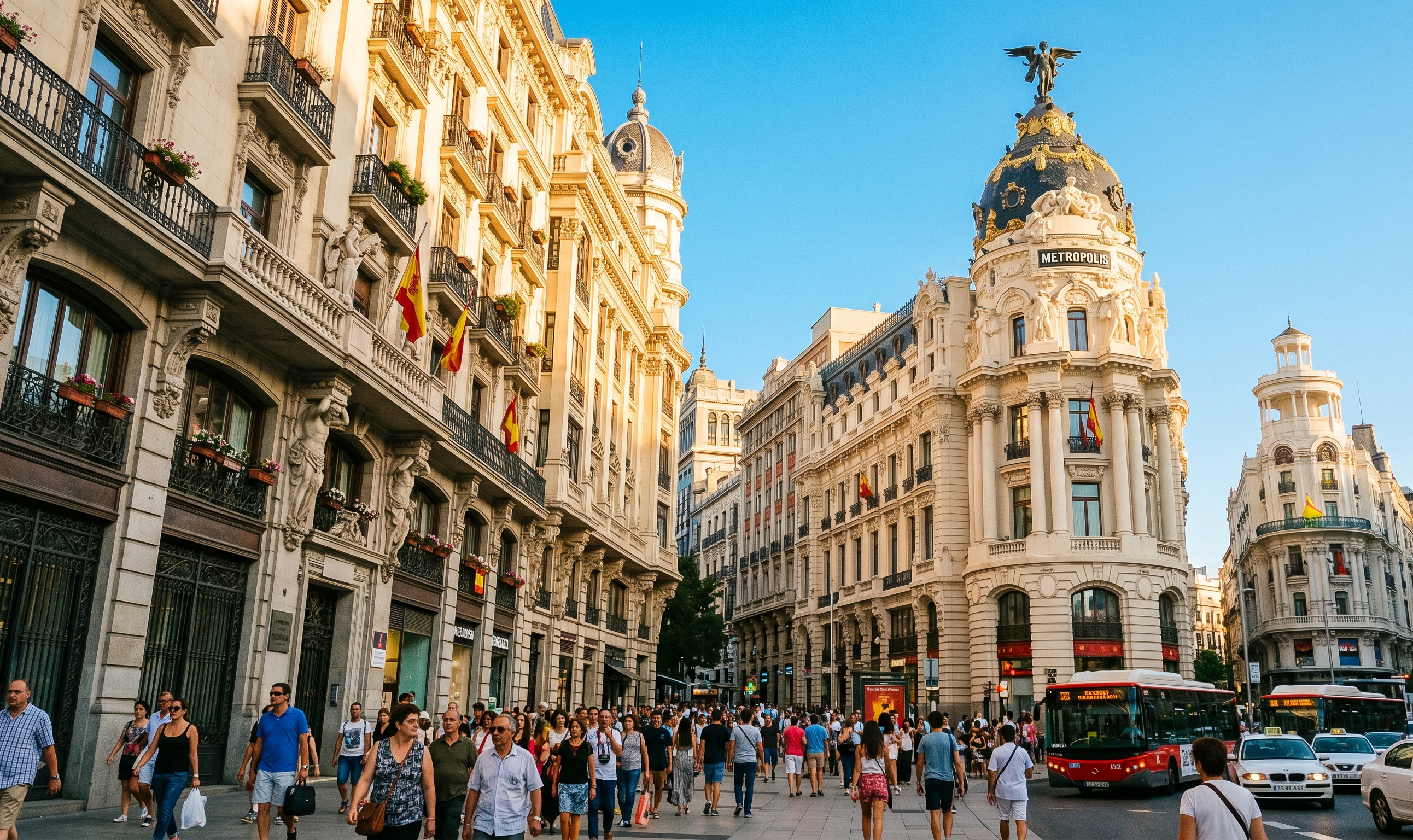
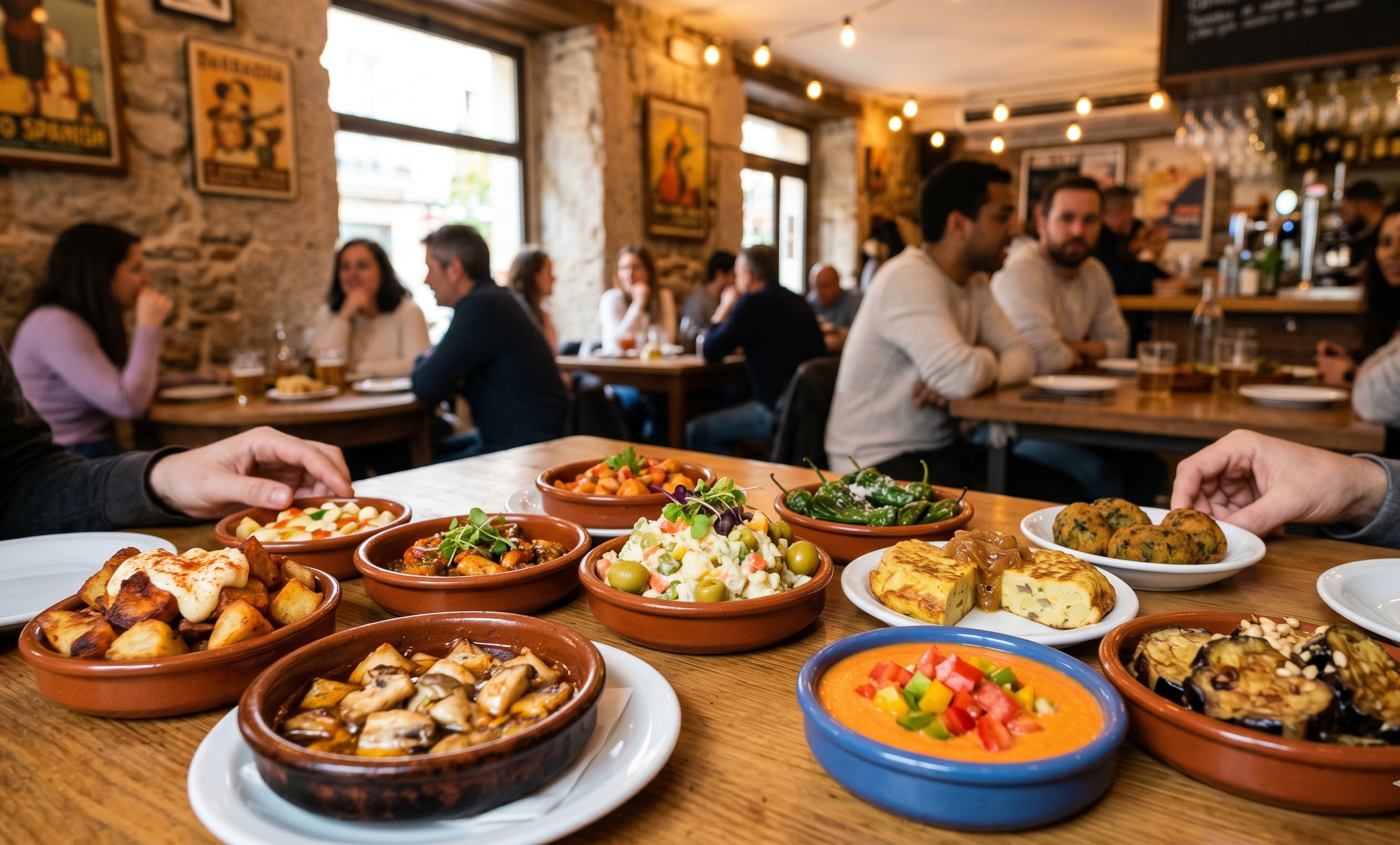
Spain is loud, communal and intensely social. Much of the country’s daily life unfolds outdoors, around tables, plazas and long evenings shared with other people. For years, traditional tapas culture could make plant-based travel feel limited, particularly when so many familiar dishes centred on cured meat or seafood.
On this journey across the Iberian Peninsula, I noticed a significant change beneath the surface. Spain is embracing plant-based innovation and organic wellness without erasing the traditions that make its food culture so distinctive.
As a Google Local Guide, I travel to understand where culture is heading next. From Madrid’s energetic dining scene and Barcelona’s wellness cafés to Mallorca’s beachfront restaurants and Málaga’s modern Mediterranean kitchens, Spain revealed a more conscious side of itself.
Madrid and Barcelona: The Urban Reset
I began in Madrid, a city full of colour, movement and late-night energy. Cantina 33 became a dependable anchor during my stay. The vibrant Venezuelan restaurant offers vegan-friendly dishes and nourishing bowls that work perfectly before a long day of museums and walking.
For a more polished evening atmosphere, Bresca offered Italian food with strong vegetarian and vegan options. It was an easy reminder that conscious dining in Madrid does not need to feel restrictive or overly formal.
Barcelona carried a different rhythm—relentless, creative and constantly in motion. Wild Food Barcelona became a sanctuary for healthy bowls and a relaxed wellness-focused atmosphere, while Asante Café was ideal for plant-based speciality coffee and brunch.
For comfort food, Vrutal delivered American-style vegan burgers with personality. At the opposite end of the spectrum, Velada offered an elegant, contemporary interpretation of Spanish tapas in a more refined setting.

Mallorca and Málaga: Coastal Wellness
A short flight to Mallorca offered exactly the contrast I needed after the energy of the cities. NU Mallorca combines luxury beachfront dining with a fresh, wellness-led approach to Mediterranean food. Sitting outside in the Balearic breeze, the experience felt refined without becoming excessive.
For a quieter morning on the island, Vegan Bistro Mallorca was ideal for smoothie bowls and nourishing breakfasts. Sabores de Sandra offered something more intimate: homemade vegan comfort food that felt warm, grounding and personal.
Further south in Málaga, Mura Mura Osteria brought a sophisticated approach to Mediterranean dining. The kitchen respects regional tradition while allowing the quality of the produce to lead each dish.
Meet Vegano stood out for creative plant-based burgers, while Sibuya Urban Sushi Bar offered a polished, contemporary setting with vegan sushi options that felt thoughtfully integrated rather than added as an afterthought.
The Future of Spanish Hospitality
Travelling through Spain as a wellness explorer means seeking out the businesses that care about more than appearance. The best luxury supports vitality, gives the body space to recover and creates a meaningful connection to the destination.
Spain is especially well positioned to lead this movement because its agricultural traditions are already so deeply established. Seasonal produce, regional identity and communal dining form a natural foundation for a more conscious future.
Whether you are exploring Madrid’s historic streets, Barcelona’s creative neighbourhoods or Mallorca’s hidden coves, every choice matters. Supporting organic, plant-based gastronomy contributes to a more thoughtful form of travel without taking away from the joy and sociability that define Spain.
This is the Iberian legacy I keep returning to: generous hospitality, strong regional character and a growing confidence in what conscious living can look like.