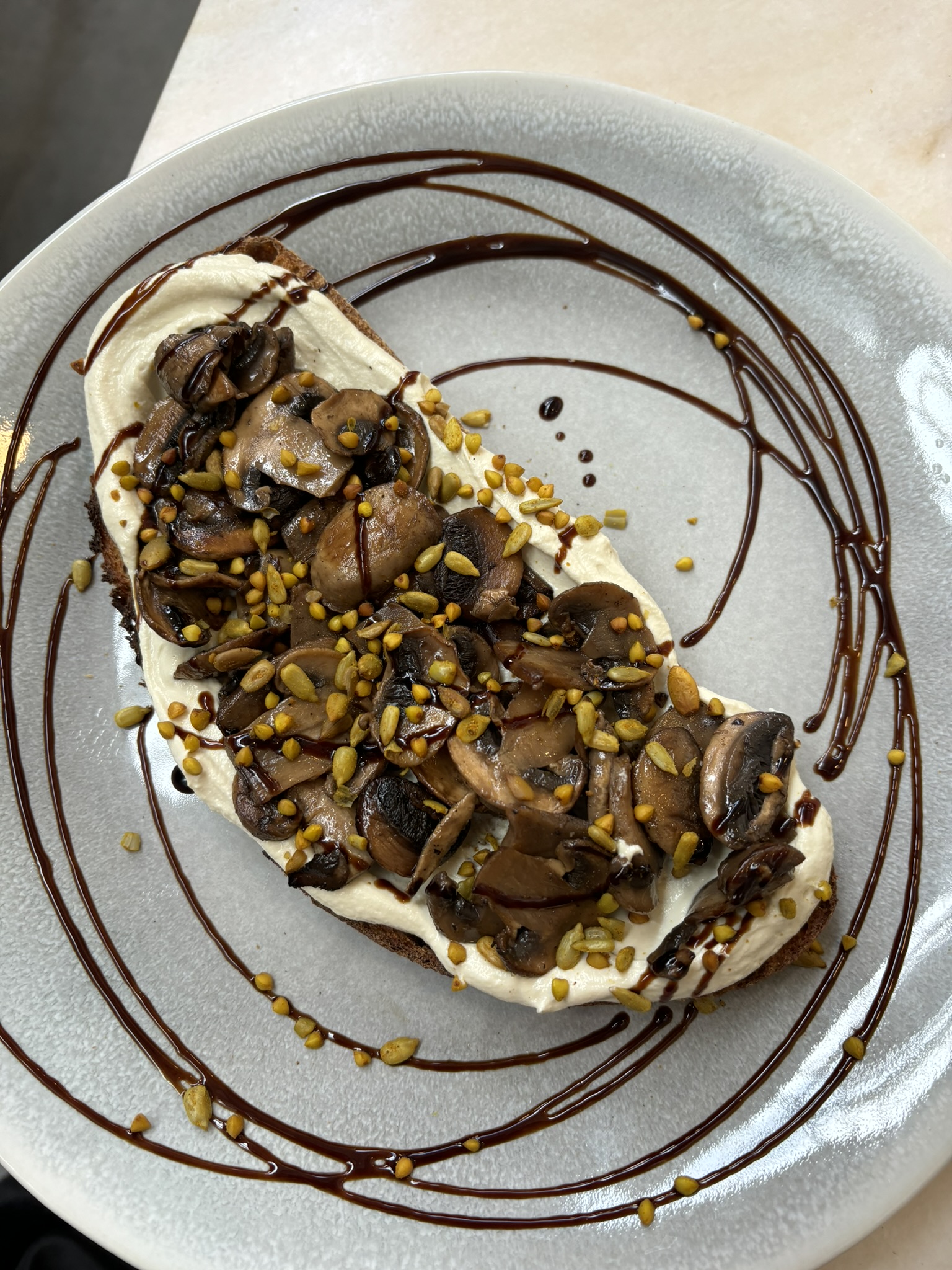
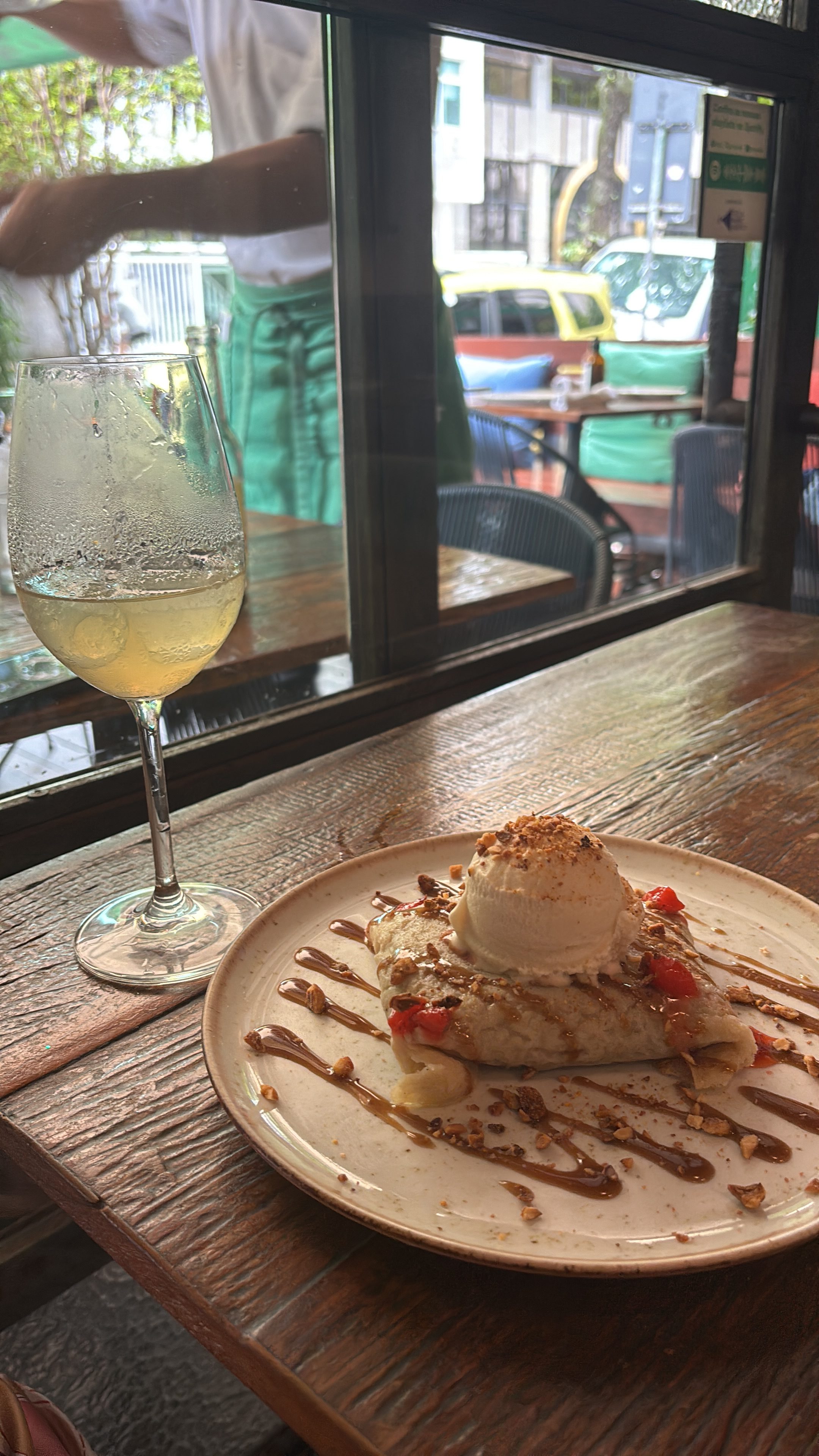
Rio de Janeiro arrived all at once: heat, salt air, music, traffic and a coastline that seems to hold the city together. I stayed for a month during Carnival, long enough for the initial spectacle to settle into something more intimate. Beyond the crowds, Rio became a place of early walks, tropical fruit, restorative hotel rituals and restaurants that made plant-based living feel abundant rather than limiting.
The journey eventually moved beyond the city. South of Rio, Paraty offered rainforest, rivers and the kind of quiet that changes the body before the mind has fully understood it. North-east along the coast, Búzios became a gentler closing chapter of calm water, sunset walks and relaxed dinners.
This was not a search for perfection or a collection of wellness trends. It was an experiment in travelling with more intention: staying somewhere that supported movement and recovery, choosing food that left me energised and allowing each destination to set a different pace.
Rio: Finding Rhythm Between Ocean and City
Sheraton Grand Rio Hotel & Resort became my base for the month. Positioned between Leblon and São Conrado, it offered the unusual feeling of a resort without completely separating me from city life. Private beach access, several pools, a gym, sauna, steam room and spa created a reliable structure around days that could otherwise become overwhelming during Carnival.
What I valued most was the ability to begin and end the day quietly. An early walk along the coast could be followed by breakfast in the room, while evenings often ended in the sauna or with a simple meal rather than another crowded event. The hotel did not remove Rio’s intensity; it gave me somewhere to recover from it.
Leblon and neighbouring Ipanema were the most practical areas for the kind of trip I wanted. Restaurants, organic shops, the beach promenade and everyday services were close enough to reach without turning each outing into a long journey across the city.
Leblon and Ipanema work especially well for travellers who want to combine beach movement, plant-based food and easy access to organic groceries. Copacabana offers more budget variety, while Santa Teresa feels more artistic but less convenient for everyday dining.
The Restaurants and Markets That Made Rio Feel Livable
Restaurant meals shaped the trip, but grocery shopping made the month possible. Eating out constantly can become expensive and exhausting, even in a city with an exciting dining scene. Keeping fruit, plant milk, nuts and a few simple meals nearby gave me freedom on the days when rest mattered more than another reservation.
Teva Bistrô
Teva was the most refined plant-based dinner of my stay. The room felt polished without becoming formal, and the menu allowed seasonal Brazilian produce to lead. The dishes were thoughtful, colourful and satisfying enough to make the evening feel celebratory after a long day beside the ocean.
Teva Deli
The more casual sister address worked well for breakfast, lunch and beach days. Sandwiches, pastries, coffee and lighter dishes made it easy to eat well without committing to a long meal. It became especially useful before early departures or active afternoons.
Vegetariano Social Clube
This long-running Leblon institution offered the opposite mood: hearty, relaxed and built for an everyday lunch. The buffet-style format was practical, while the moqueca de palmito brought the warmth of coconut milk and palm heart into a dish that felt distinctly Brazilian.
Refeitório Vegano and Govinda
Both places were valuable when I wanted simplicity rather than presentation. Rice, beans, vegetables and fresh juice created an honest meal at a reasonable price. These were not destination restaurants, but they were part of what made plant-based living in Rio feel sustainable over a longer stay.
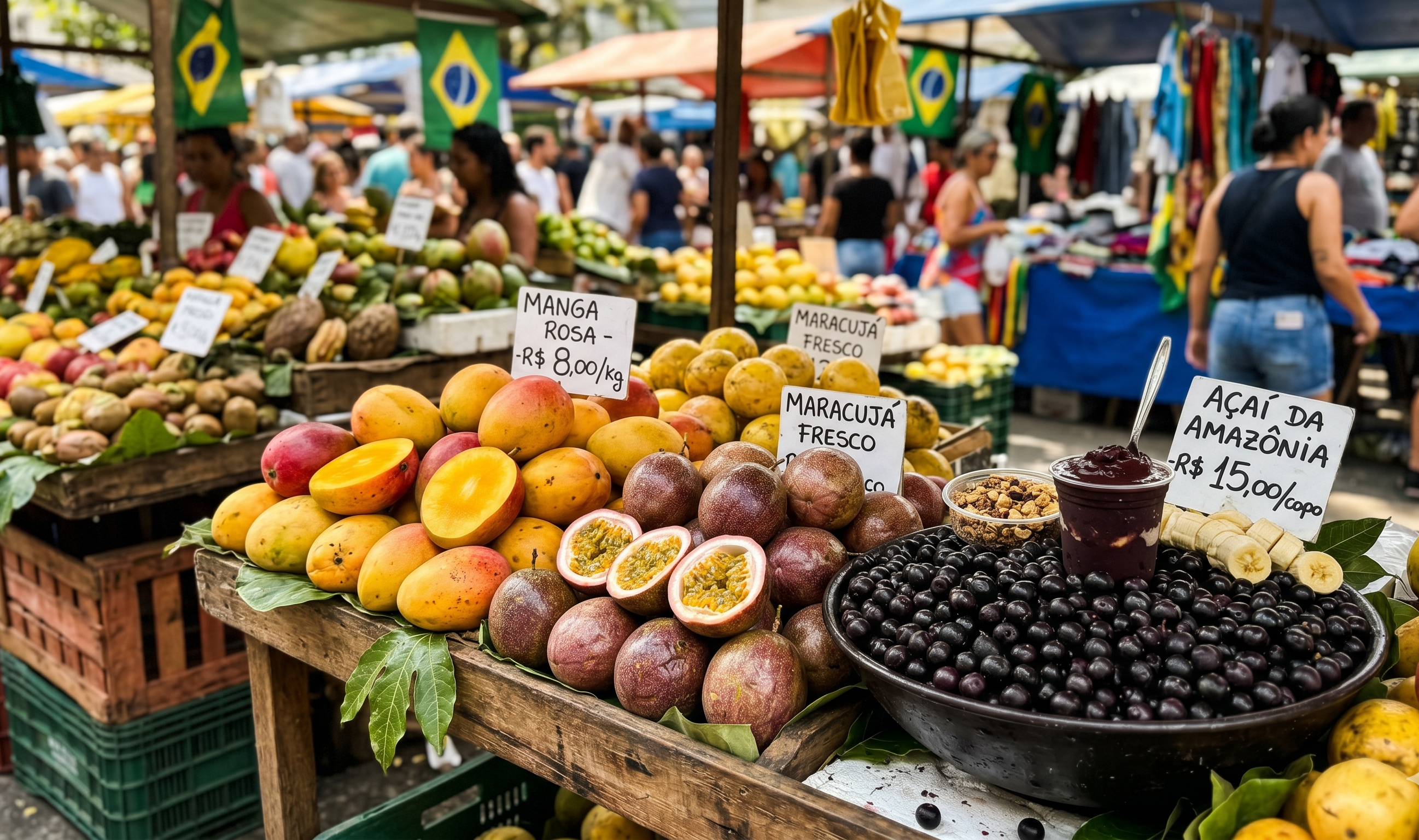
Planeta Orgânico in Leblon became useful for specialist products, snacks and plant-based staples. I also relied on local produce shops and the neighbourhood organic market for mango, papaya, bananas, passion fruit, coconut water and ingredients for uncomplicated meals.
Wellness in Motion
Rio naturally pulls life outdoors. My best mornings began before 8 a.m. on the promenade between Leblon and Ipanema, when the light was soft and the beach had not yet filled. Walking or running beside the water provided movement without making the day feel scheduled around exercise.
Some mornings continued with a swim. On others, paddleboarding or a Hawaiian canoe session offered a different way to experience the coastline. Outdoor gyms, cycle paths and the nearby trails of Tijuca National Park made movement feel connected to the landscape rather than contained inside a fitness routine.
Recovery was equally important. The sauna and steam room at the Sheraton became part of my week, especially after long walks or humid afternoons. Journaling on the balcony, stretching at sunset and occasionally leaving my phone in the room created smaller moments of quiet inside a city that rarely seems to stop.
The balance mattered more than the individual activities. A wellness journey in Rio did not require treating every hour as an opportunity. It required knowing when the city was energising me and when it was beginning to take too much.
One active morning, one considered meal and one protected period of rest were usually enough. Trying to add more often made the day less memorable rather than more complete.
The Road to Paraty
The drive south from Rio followed the coast into increasingly dense Atlantic rainforest. The city gradually loosened its grip, replaced by small towns, roadside fruit stands and long stretches of green rising above the water.
Stopping for local fruit became part of the journey. Jackfruit, mango, bananas and passion fruit tasted more immediate here, often sold within sight of the land that produced them. These simple purchases carried more memory than many formal meals.
Paraty itself sits between colonial architecture, mountains, rivers and sea. Yet the most powerful part of this section of the trip happened beyond the historic centre, at Casa Asha inside Aldeia Rizoma.

Paraty: Nature as the Main Ritual
Casa Asha felt less like conventional accommodation and more like a place designed around the forest. Natural swimming areas, river water, outdoor decks, workout spaces and yoga platforms created a daily rhythm without the need for organised programming.
Mornings began with stretching or quiet movement. The middle of the day belonged to river swims, reading and simple plant-based meals prepared with regional ingredients. Evenings became early because the jungle had its own soundscape and there was little reason to resist it.
The absence of screens and schedules was initially unfamiliar. Then it became the central luxury of the stay. Without the constant need to decide what came next, the landscape became enough.
Local ingredients—cassava, banana, jackfruit, greens and tropical fruit—made the food simpler than in Rio but no less memorable. The freshness of the produce carried the meal, and the connection to nearby farms made conscious eating feel tangible rather than theoretical.
My experience with a traditional ceremony near Paraty was physically and emotionally intense. It reinforced the importance of informed consent, proper medical screening, trusted facilitators and time for integration afterward.
This should never be treated casually or as a tourist attraction. It is not necessary for a meaningful trip to Paraty, and it may be unsuitable for many people—especially those taking certain medications or managing health conditions. Never stop prescribed medication independently, and seek qualified medical advice before considering any such experience.
Paraty’s rivers, rainforest, silence and slower daily life were already transformative on their own. Nothing additional was required to make the stay meaningful.

Búzios: A Softer Final Chapter
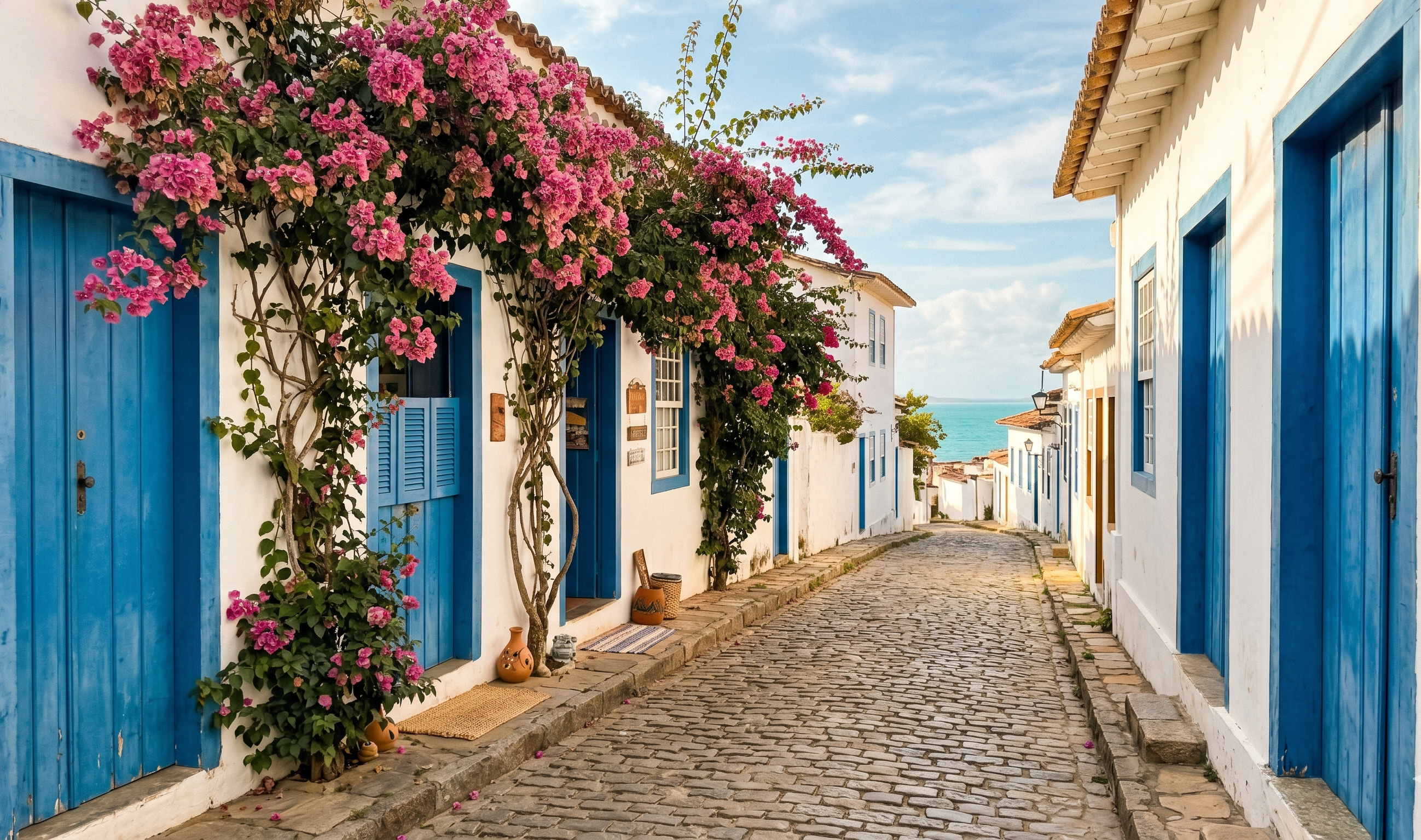
After Rio’s energy and Paraty’s depth, Búzios felt lighter. Cobblestone streets, small beaches and evening walks along the Orla Bardot created a destination made for decompression rather than transformation.
Ferradurinha Beach was the most memorable place I visited. The bay curves into calm turquoise water, framed by green hills and rock. A short path beyond the main beach led to a smaller, quieter stretch that felt almost private.
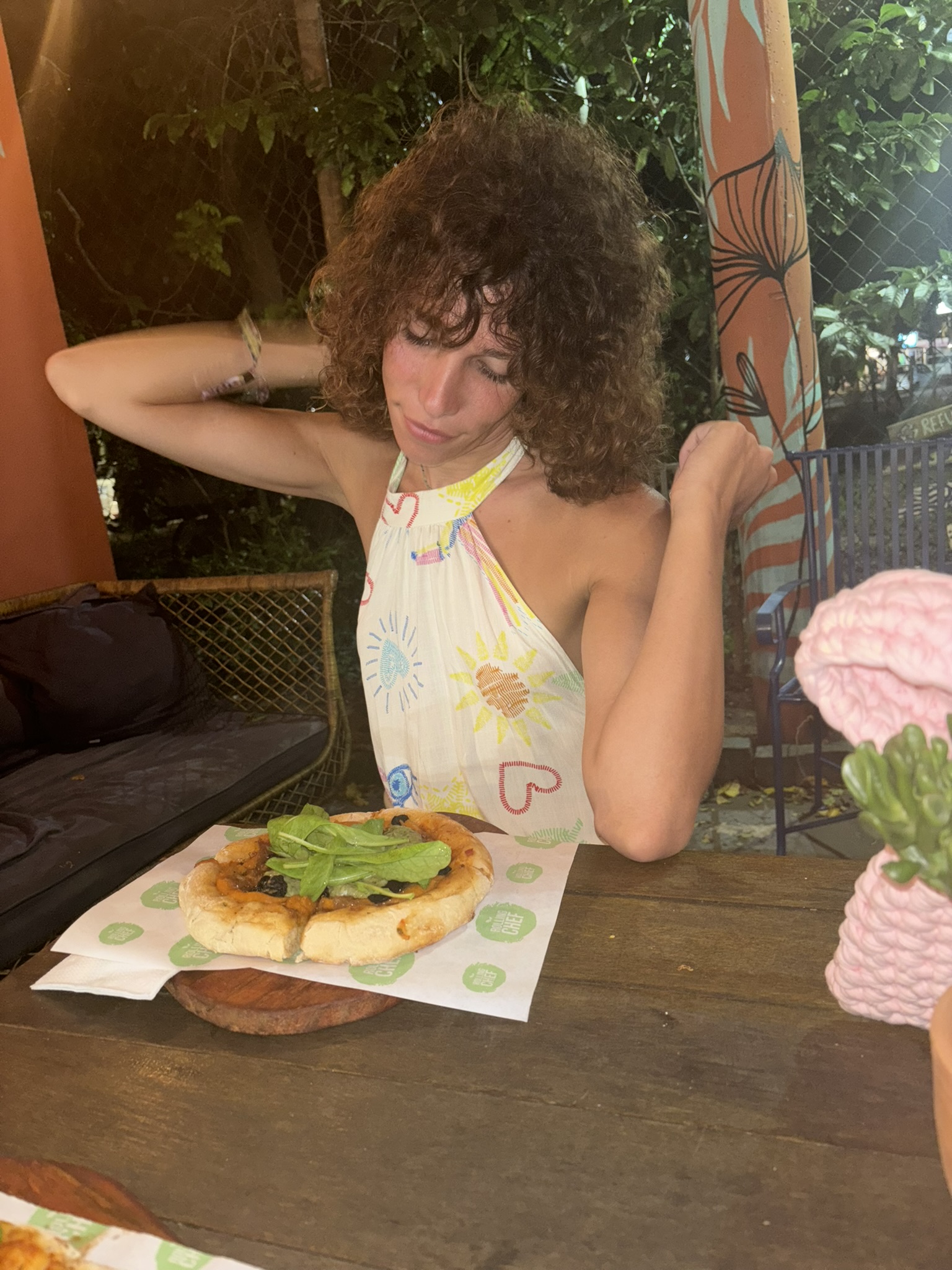
Rollingchef became the restaurant I most looked forward to in the evenings. The setting was intimate, and the plant-based dishes felt creative without losing the relaxed character of Búzios. It was the right kind of dinner for the end of the journey: considered, warm and free from unnecessary ceremony.
A typical day became very simple—morning swim, an uncomplicated lunch of rice, beans, vegetables and fresh juice, a slow afternoon beside the water and dinner after sunset. The simplicity was the point.
A Route Designed Around Energy
The strongest part of this journey was its progression. Rio offered movement, restaurants and creative stimulation. Paraty removed noise and replaced it with water, forest and rest. Búzios allowed everything to settle before the journey ended.
High summer and Carnival bring heat, crowds and significantly higher prices. Travellers seeking a calmer wellness-focused stay may prefer the shoulder months, when the beaches remain beautiful but reservations and transport become easier.
Plant-based options are less concentrated outside Rio, so snacks and simple supplies from the city are useful for road trips. Restaurants in tourist areas are often willing to adapt dishes when requests are explained clearly.
Ocean, Jungle and the Feeling of Returning Different
Brazil did not offer one version of wellness. Rio was movement, appetite and colour. Paraty was stillness, vulnerability and the sound of water moving through the forest. Búzios was softness—a place to return to the body after the intensity of everything that came before.
The trip changed when I stopped trying to define wellness as a collection of treatments or healthy meals. It became the relationship between energy and recovery: knowing when to move, when to eat, when to retreat and when to allow a place to lead.
Luxury appeared in unexpected forms. A quiet room after Carnival noise. Fruit bought from a roadside stand. A river swim without a schedule waiting afterward. A restaurant willing to make plant-based dining feel joyful rather than complicated.
Brazil is intense, imperfect and deeply alive. It does not always provide calm automatically, but it offers the raw materials for it everywhere—ocean, forest, fresh food, movement and a culture that understands how fully life can be felt. I left with the sense that the most restorative journeys are not the ones that remove us from experience. They are the ones that teach us how to receive it without being consumed.