
Paris is best experienced with space to notice it.
Paris is a vast city with centuries of history layered into every arrondissement. Trying to see everything in seven days can quickly turn a beautiful journey into a checklist. This guide takes a more considered approach: the essential landmarks remain, but each day is grouped geographically so there is more time for walking, lingering and noticing the details that give the city its character.
A full week allows you to experience the Eiffel Tower, Louvre, Notre-Dame, Montmartre and Versailles without treating every hour like a deadline. It also creates room for a quiet café, a local bakery, a plant-based lunch in Le Marais or an unplanned walk along the Seine.
Use this itinerary as a framework, not a strict schedule. The most memorable Paris moments are often the ones that happen between the planned stops.
Your seven-day Paris plan.
Paris Icons
Arc de Triomphe, Champs-Élysées, Eiffel Tower and an evening Seine cruise.
Art & the Right Bank
Louvre Museum, Tuileries Garden and elegant shopping streets.
Historic Paris
Île de la Cité, Notre-Dame, Sainte-Chapelle and the Latin Quarter.
Montmartre
Sacré-Cœur, artists’ streets, local cafés and Pigalle.
Versailles
Palace, Hall of Mirrors, gardens, Trianon and the Hamlet.
Left Bank Culture
Musée d’Orsay, Saint-Germain and Les Invalides.
Choose Your Finale
Disneyland, Giverny, Champagne or a slower neighbourhood day.
Timed Entry
Eiffel Tower, Louvre, Versailles, Sainte-Chapelle and Disneyland.
Plan the essentials, then leave room for discovery.
Reserve major attractions before departure, especially during spring, summer and early autumn. Timed-entry tickets are particularly important for the Eiffel Tower, Louvre Museum, Versailles and Sainte-Chapelle.
April and May bring mild weather and gardens in bloom. Summer offers long evenings but the highest prices and crowds. September and October balance comfortable weather with fewer visitors, while winter is quieter and deeply atmospheric.
Create one saved map with separate lists for hotels, restaurants, wellness stops, museums and photo locations. It makes changing plans far easier when weather or opening hours shift.
Choose a neighbourhood that supports your travel style.
Le Marais is the most versatile base for a first visit. It is central, walkable and close to Notre-Dame, the Seine and many Right Bank sights. Saint-Germain-des-Prés suits travellers looking for a polished Left Bank atmosphere. The Latin Quarter offers lively student energy and more affordable dining, while the 7th arrondissement is quieter and close to the Eiffel Tower.
| Style | Example | Approx. Starting Point | Area |
|---|---|---|---|
| Luxury | The Ritz Paris | From €1,000/night | Place Vendôme |
| Upscale | L’Hôtel du Collectionneur | From €400/night | Arc de Triomphe |
| Mid-range | Le Grey Hotel | From €180/night | Opéra / Montmartre |
| Budget | Caulaincourt Montmartre | Dorms from €60 | Montmartre |
For a full week, an apart-hotel with a kitchenette and laundry can make the trip feel calmer. Prioritise a useful metro connection over choosing only by landmark view.
Seven days, organised with intention.
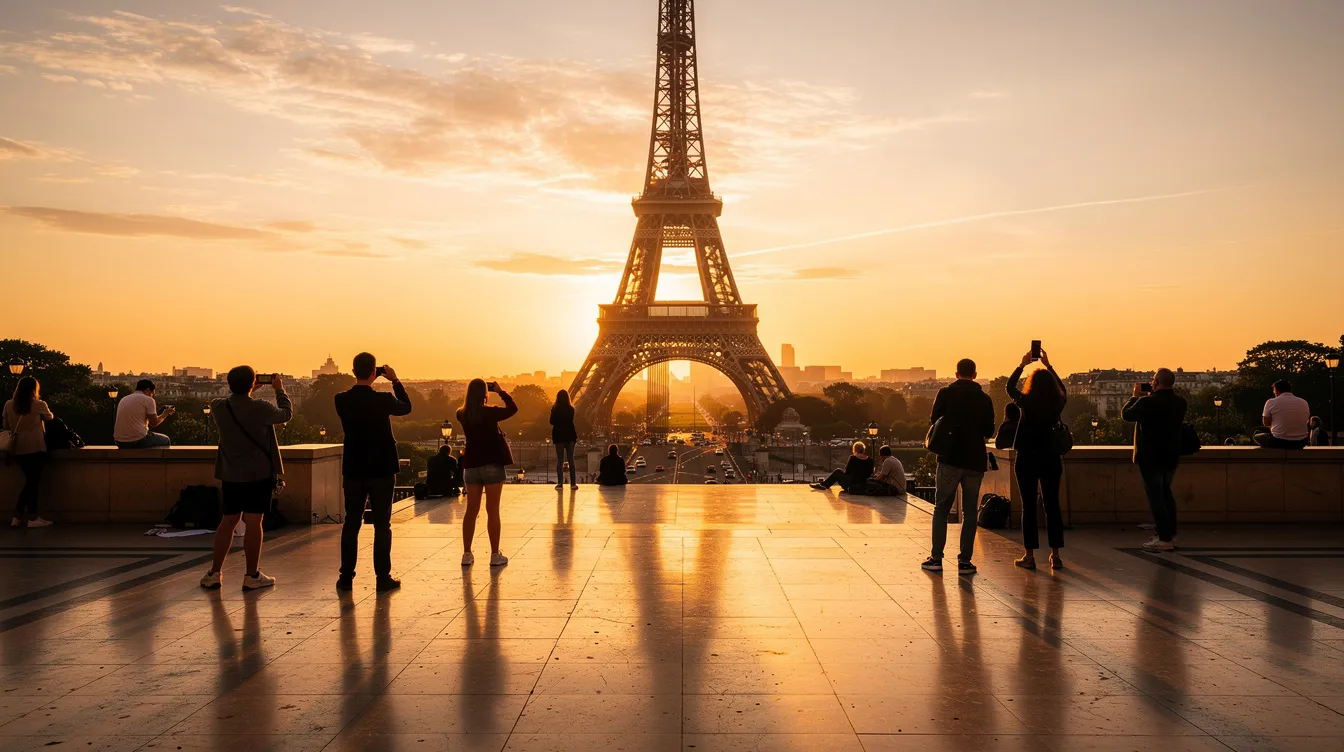
Arc de Triomphe, Champs-Élysées, Eiffel Tower & the Seine
Begin above the city
Start at the Arc de Triomphe for an immediate sense of Parisian geography.
Walk the Champs-Élysées
Enjoy the architecture and flagship stores, then leave the avenue for a more relaxed lunch.
Trocadéro and the Eiffel Tower
Approach through the gardens and use a timed ticket. The second floor often provides the clearest views.
Picnic and river lights
Collect simple picnic food around Rue Cler and finish with a Seine cruise near sunset.
The Louvre, Tuileries Garden & Right Bank Icons
The Louvre with a plan
Choose a morning entry and decide in advance which galleries matter most.
A slower walk through the Tuileries
Pause by the garden basins and use the green chairs before continuing.
Place de la Concorde and elegant streets
Continue toward Rue de Rivoli, covered passages and the Opéra district.
Monet or the Opéra
Choose Musée de l’Orangerie or Palais Garnier before dinner nearby.
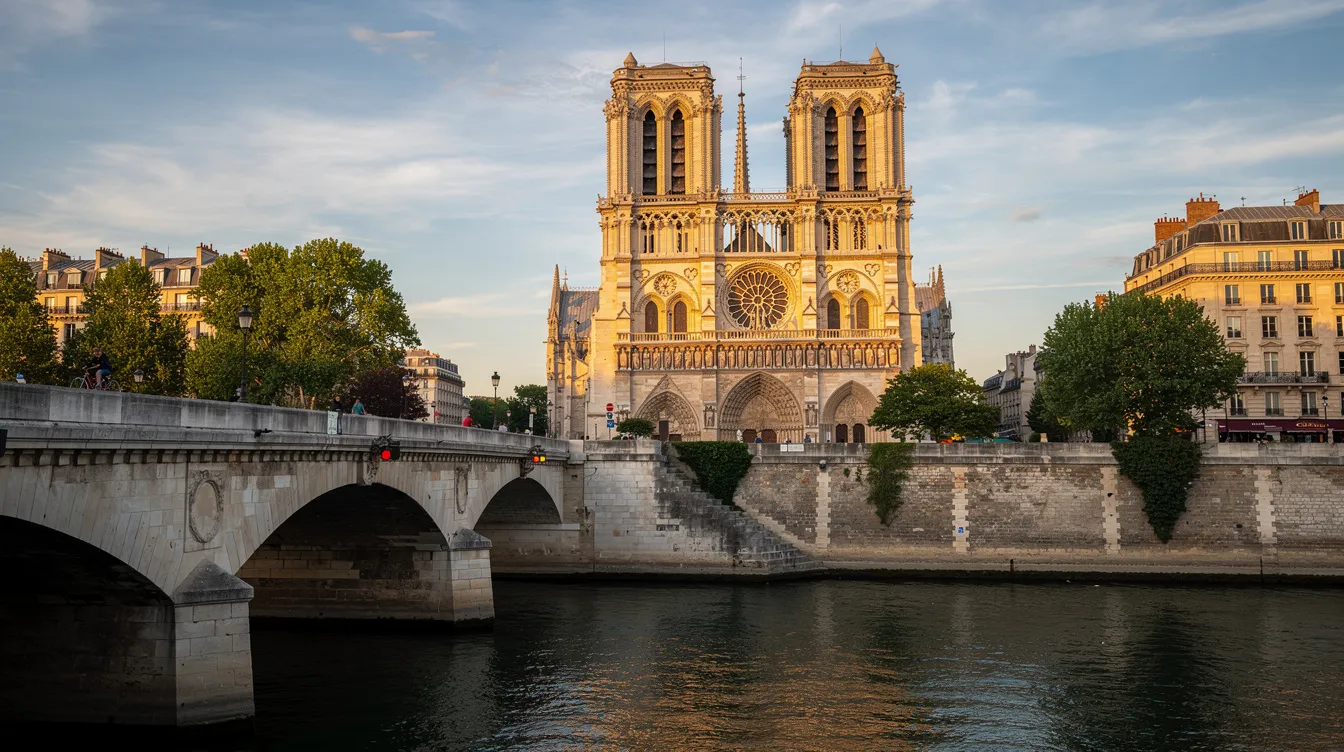
Île de la Cité, Notre-Dame & the Latin Quarter
Notre-Dame before the crowds
Arrive early, then continue to Sainte-Chapelle for its extraordinary stained glass.
Conciergerie or the river islands
Choose history at the Conciergerie or a slower walk toward Île Saint-Louis.
Latin Quarter to Luxembourg Garden
Walk through bookshops and historic streets toward the Panthéon and Medici Fountain.
Saint-Germain after dark
Choose a neighbourhood restaurant, jazz bar or wine cave.
Montmartre, Sacré-Cœur & Pigalle
Sacré-Cœur and the hilltop
Visit early and consider the dome for one of the city’s broadest views.
Montmartre’s quieter streets
Walk beyond Place du Tertre to Rue de l’Abreuvoir and the neighbourhood’s artistic landmarks.
Museum, coffee or South Pigalle
Choose Musée de Montmartre, the Wall of Love or independent cafés.
Optional Moulin Rouge
Reserve ahead for a cabaret finale.

A Royal Day at Versailles
Travel early
Take the RER C and choose the earliest practical palace entry.
State Apartments and Hall of Mirrors
Allow around ninety minutes inside the palace.
Gardens, Trianon and the Hamlet
The grounds deserve as much attention as the palace.
Return gently
Plan a simple dinner close to your hotel.
Musée d’Orsay, Saint-Germain & Les Invalides
Impressionism in a former station
Spend two to three hours at Musée d’Orsay.
Saint-Germain cafés
Choose a historic café for atmosphere or a side-street address for better value.
Les Invalides or Rodin
Explore Napoleon’s Tomb or choose the Rodin Museum garden.
Walk the river
Finish between Pont Alexandre III and Pont des Arts.
Disneyland, a Day Trip or Slow Paris
Disneyland Paris
Take the RER A and focus on Disneyland Park for a one-day first visit.
Neighbourhood Paris
Choose Canal Saint-Martin, Buttes-Chaumont or Saint-Ouen.
Another escape
Giverny, Reims and Fontainebleau are compelling alternatives.
Leave one moment unplanned
Return early enough for a final dinner or sunset walk.
Walk often. Use the Metro strategically.
Paris is most memorable on foot, but the Metro and RER make longer connections efficient. Line 1 serves the Arc de Triomphe and Louvre, Line 6 reaches the Eiffel Tower, RER C connects with Versailles and RER A travels to Disneyland Paris.
Do not build every day around changing Metro lines. The geographical groupings in this guide reduce backtracking and keep walking distances manageable.
Build meals into the experience, not around it.
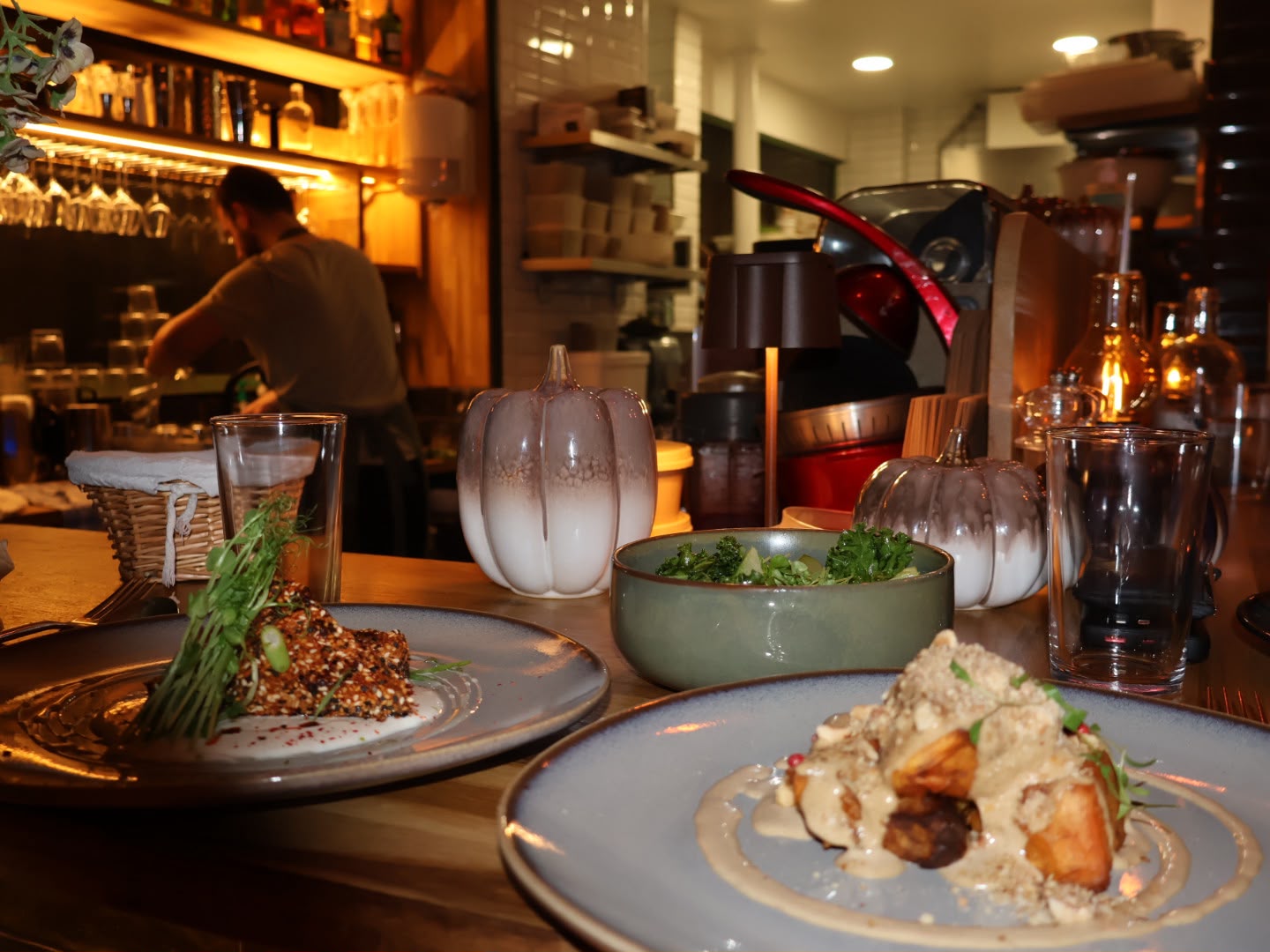
Parisian days naturally revolve around food: a bakery breakfast, a considered lunch, a café pause and a later evening meal. Neighbourhood restaurants a street or two away from major attractions usually feel more personal.
For conscious and plant-based dining, consider Wild & The Moon, Land & Monkeys, Le Potager de Charlotte, Daimant Saint-Honoré and brEAThe Restaurant.
Spend thoughtfully rather than evenly.
A backpacker-style visit may begin around €70–100 per day, while a mid-range trip can fall between €150–250 per person per day before flights. Save where the experience is interchangeable, then spend on the moments that genuinely matter to you.
Paris is generally safe for visitors, but pickpocketing and distraction scams occur around major stations and attractions. Keep bags closed and in front, avoid placing phones on café tables and walk away from unsolicited bracelet, petition or “found ring” approaches.
Planning your week in Paris.
Is seven days too long for Paris?
No. Seven days allows time for major attractions, neighbourhood walks, slower meals and at least one day trip.
Can this itinerary work in five days?
Yes. Keep Days 1–4, choose either Versailles or Day 6, and remove the final day trip.
Which area is best for a first visit?
Le Marais offers a strong balance of central location, historic atmosphere, cafés and access to the Seine.
What should I book before arriving?
Prioritise Eiffel Tower access, Louvre timed entry, Versailles, Sainte-Chapelle, Disneyland and any cabaret or special restaurant reservations.